Why is working width important for highway barriers?
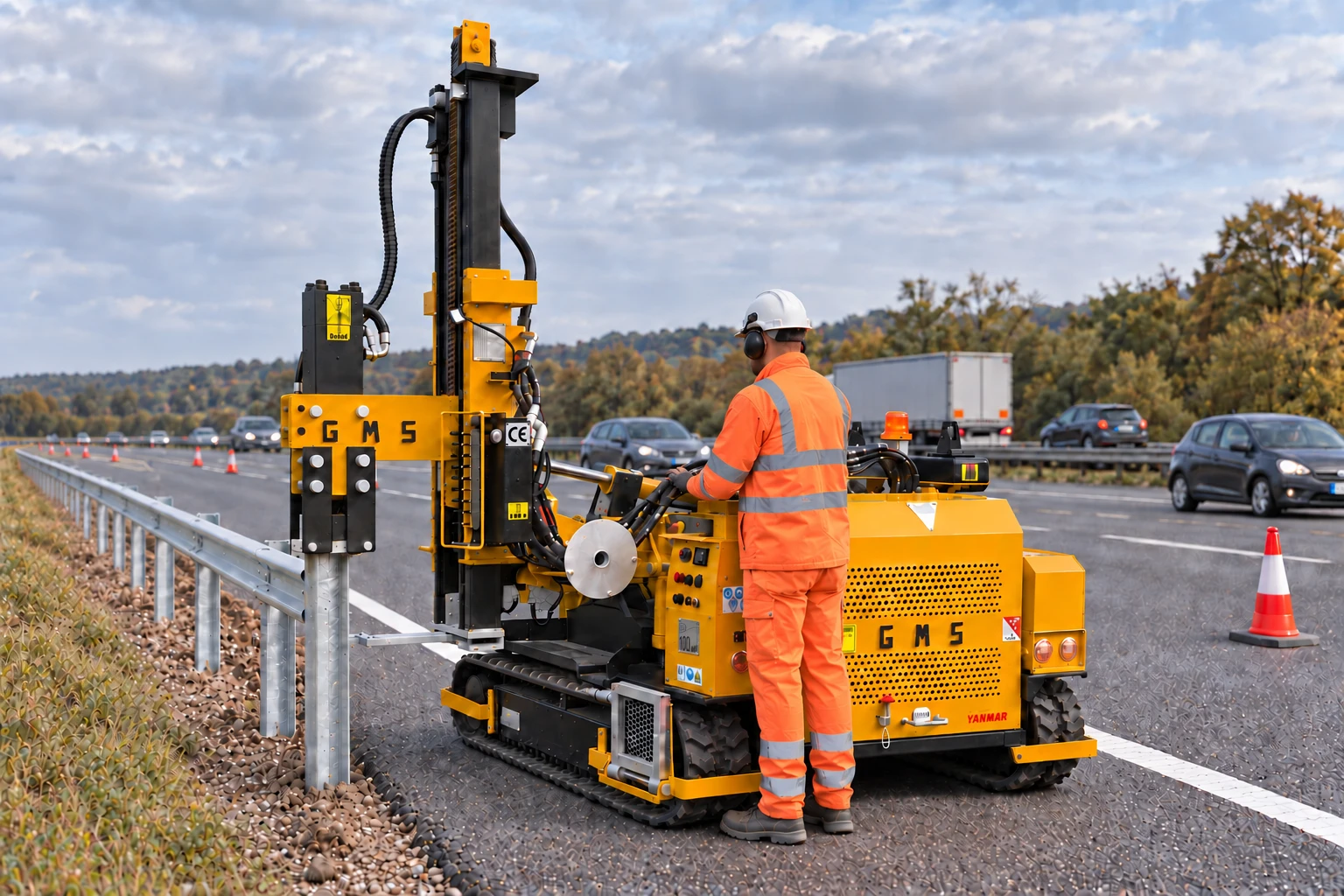
The visible space behind a barrier may have a purpose. The system deforms during impact, and layout decisions must account for the space this behavior requires.
Installed width and working space are different
Working width is assessed by the greatest lateral position reached during impact relative to the undeformed traffic face of the barrier. W classes classify this property. It is not the same as the physical width of the installed barrier.
The terminology in the archived National Highways CD 377 document explains this distinction. This description introduces the concept; site selection must follow current project requirements and valid documentation for the selected system. A UK implementation document does not replace the client's specification in Türkiye.
Read performance classes together
EN 1317-2 covers barrier performance classes and crash tests. Containment level and working width describe different properties. One being suitable does not automatically make the other suitable for the site.
If system documentation includes multiple arrangements or post spacings, check which performance applies to each arrangement. Applying a value from one configuration to another installation does not prove the product will behave the same on site.
Source: BSI — EN 1317-2: Barrier performance classes and crash tests (opens in a new tab)
Match obstacles behind the barrier to the project
Lighting columns, culvert headwalls, walls, bridge components and slopes are all part of the layout assessment. Examine project references and required clearances together instead of merely measuring the visible gap between the rail and an obstacle. Some installations also require consideration of effects such as vehicle intrusion.
Arbitrarily changing post spacing in a narrow area is not a suitable solution. Reassess the layout or product choice and prepare an approved detail. Communicate the change to the installation team through an updated drawing.
Verify the layout after pile driving
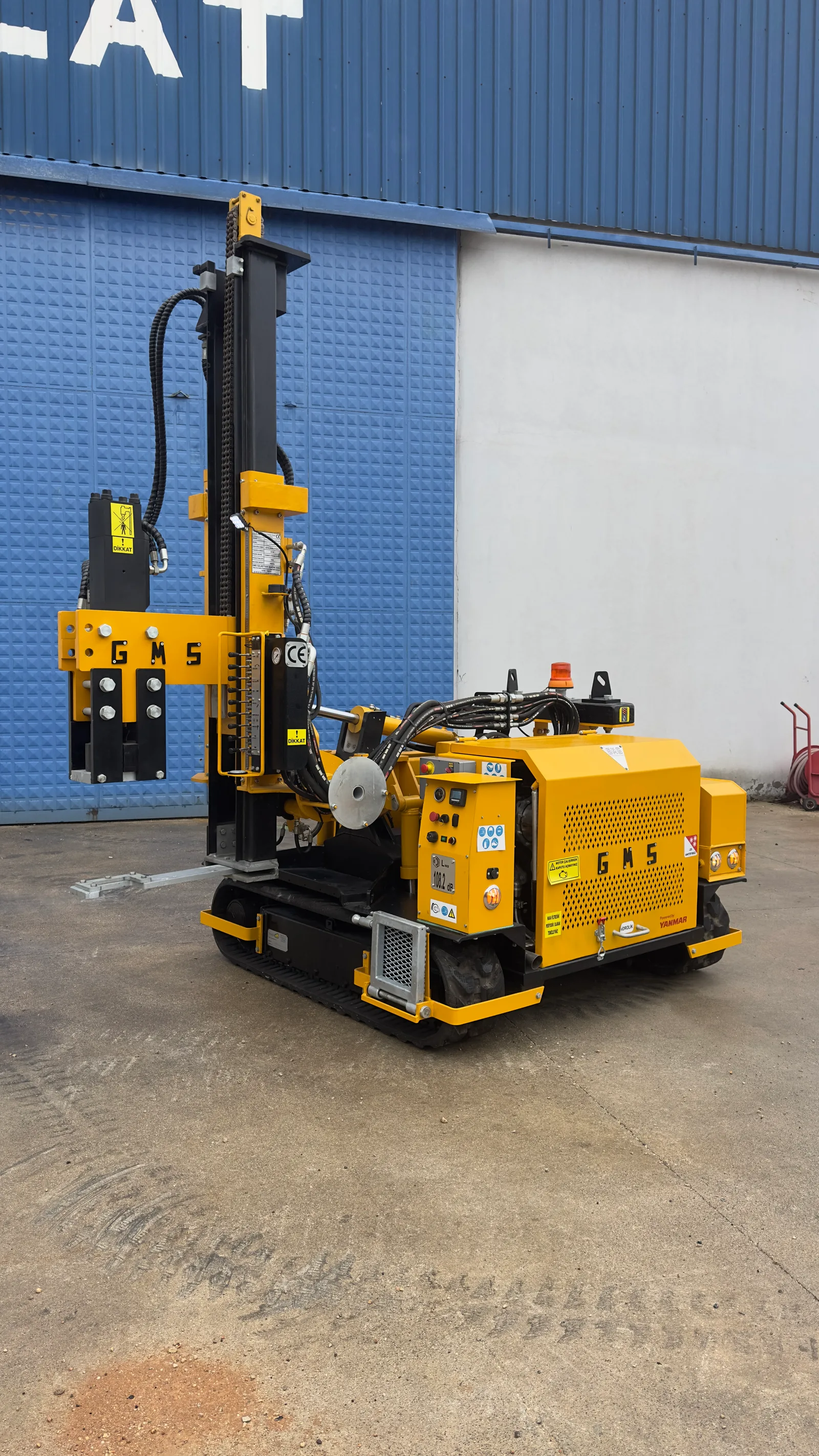
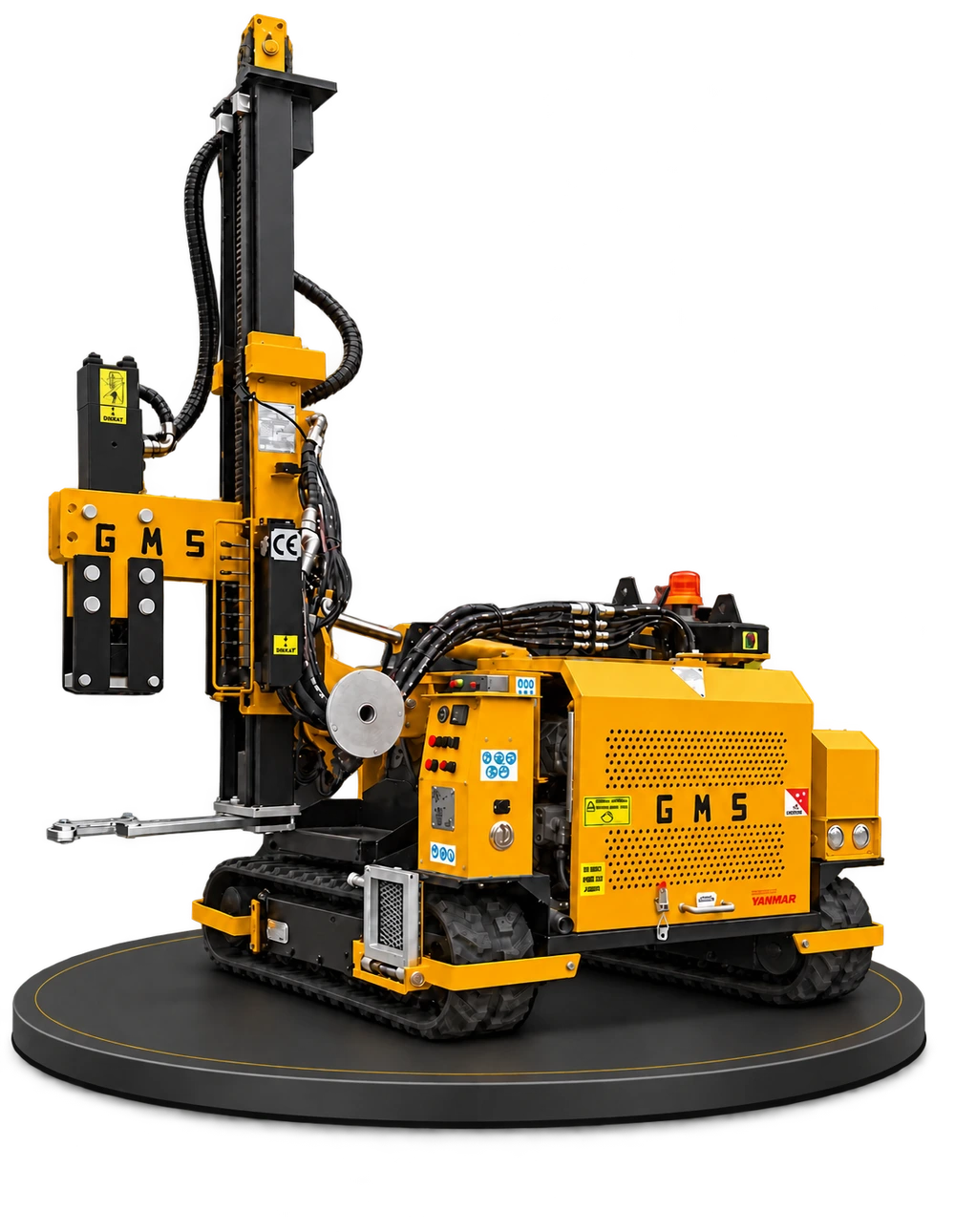
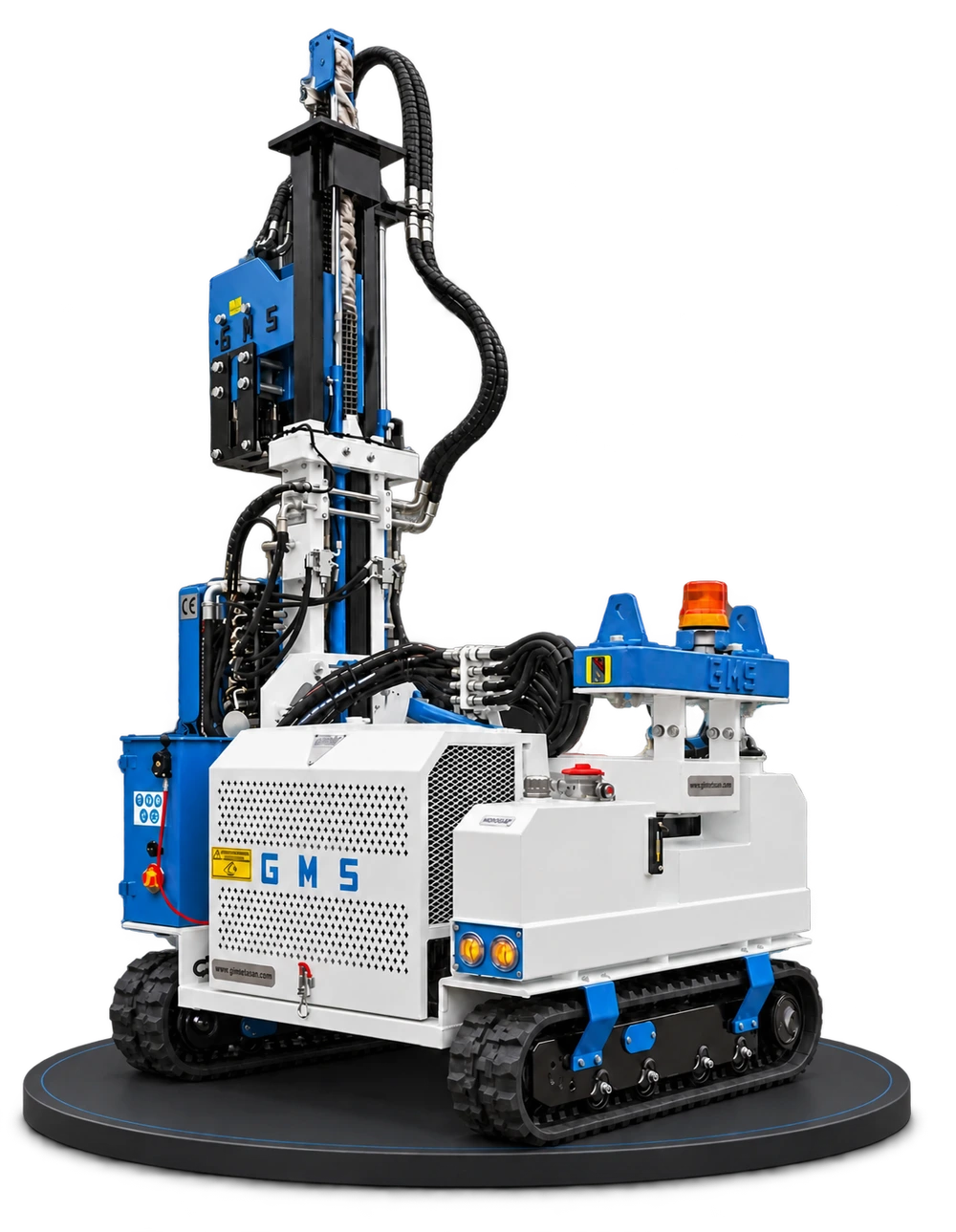
Before pile driving posts with GMS4000, compare the barrier line and nearby obstacles on the site plan. After the initial check, monitor points where obstacle distances change along the entire line. Checking only the starting point cannot identify all layout changes.
Keeping the selected system, installation arrangement and site measurements together in the handover file helps later assessments. If equipment is subsequently placed behind the barrier, reassess the space required by the barrier.
- Match system performance to the applicable installation arrangement.
- Include obstacles and elevation changes in the site plan.
- Obtain technical approval for layout changes.
- Record reference measurements after installation.
The area behind a barrier is part of the system's operating behavior. Assess the product class and site layout together.
Sources and further reading
- National Highways — CD 377 (2021), working width terminology; archived publication (opens in a new tab)
- BSI — EN 1317-2: Barrier performance classes and crash tests (opens in a new tab)
The scope of the standards is summarized here. In practice, the project specification, applicable editions of the standards and the assessment of the responsible engineering team take precedence.