Guardrail end terminals and transition components
The start and end of a barrier and its connection to another system require special details. End terminals and transitions must not be improvised as simple extensions of the repeated components along the barrier.
An end terminal has a distinct function
An end at the start of a barrier that a vehicle may encounter is addressed through a specific product and layout. The FHWA introduction to barriers also distinguishes the functions of the rail and end terminal. Terminal behavior depends on the product and impact conditions.
Consider road geometry, traffic direction and surrounding space when selecting the product. Do not assume that two similar looking end components serve the same function. Keep product assessment documents and installation instructions in the file.
Source: FHWA — Guardrail 101: Components of a guardrail system (opens in a new tab)
A transition connects different systems
Where a steel barrier connects to a bridge parapet or another barrier arrangement, system geometry and behavior may differ. The transition detail defines how this connection is made in the project. Two parts being able to bolt together does not establish a suitable transition.
Match rail arrangements, posts, connections and any anchors to the approved detail. The product families of changing components must be clear. Taking a missing part from another system requires technical assessment.
Track special components separately from standard barrier materials
Long barrier projects receive large quantities of standard posts and rails, but fewer terminal and transition components. Late delivery of these parts can delay handover of the completed barrier. Prepare a separate delivery list for starts, ends and special connections.
Assign a site code to each end and transition point. Link the component list, drawing revision and installation sequence to that code. This helps prevent different teams from using different details at the same point.
Drive posts according to the special detail
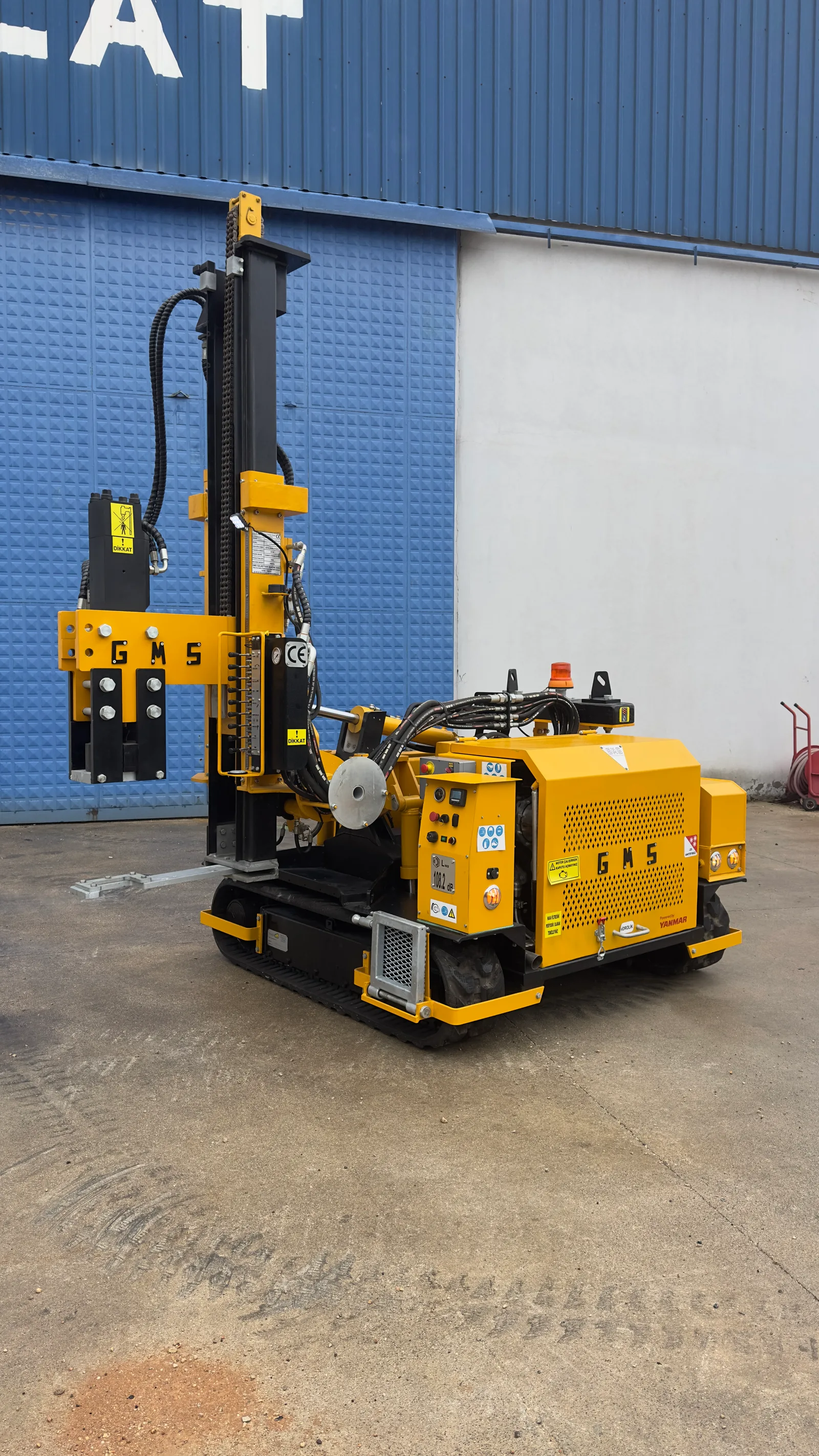
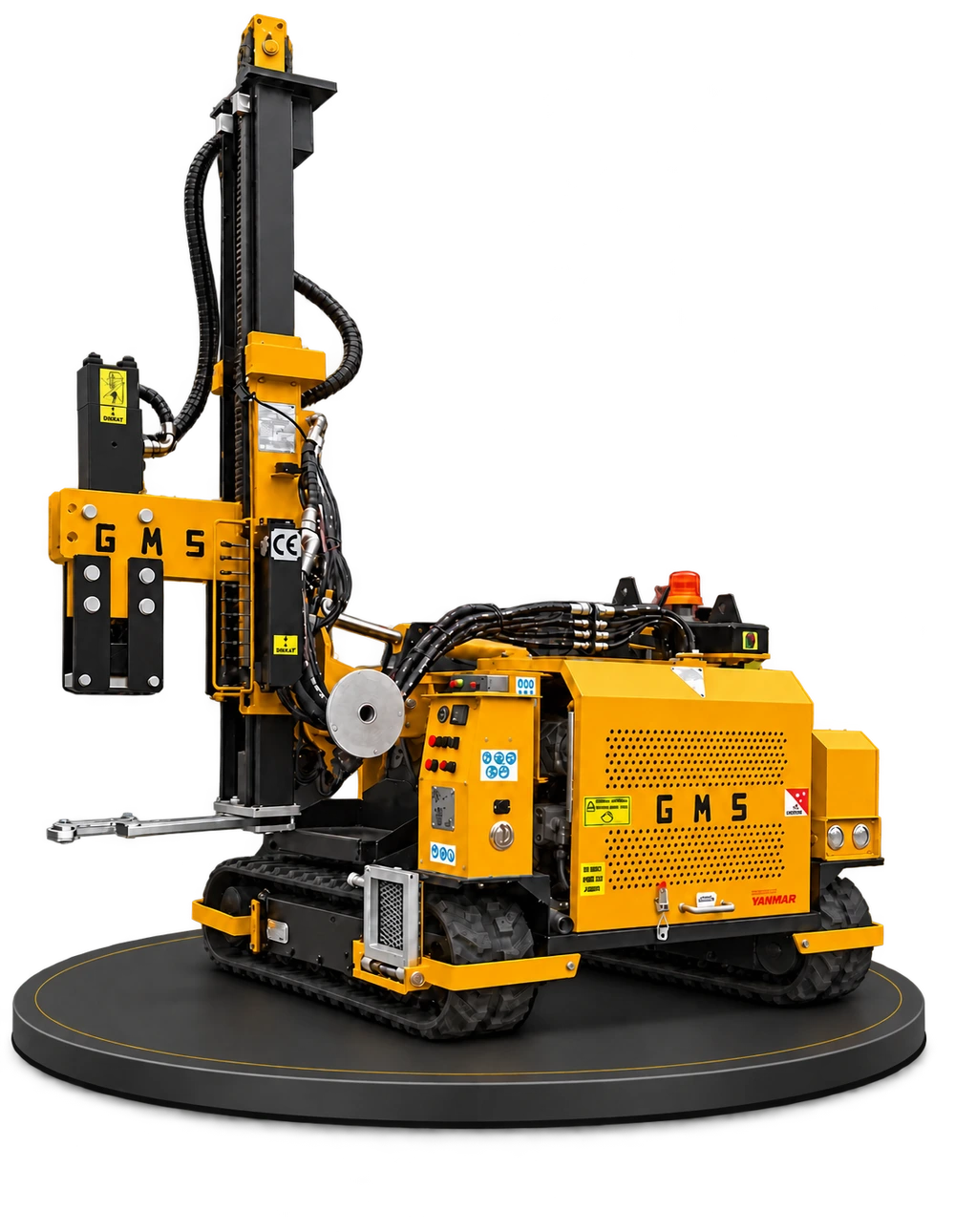
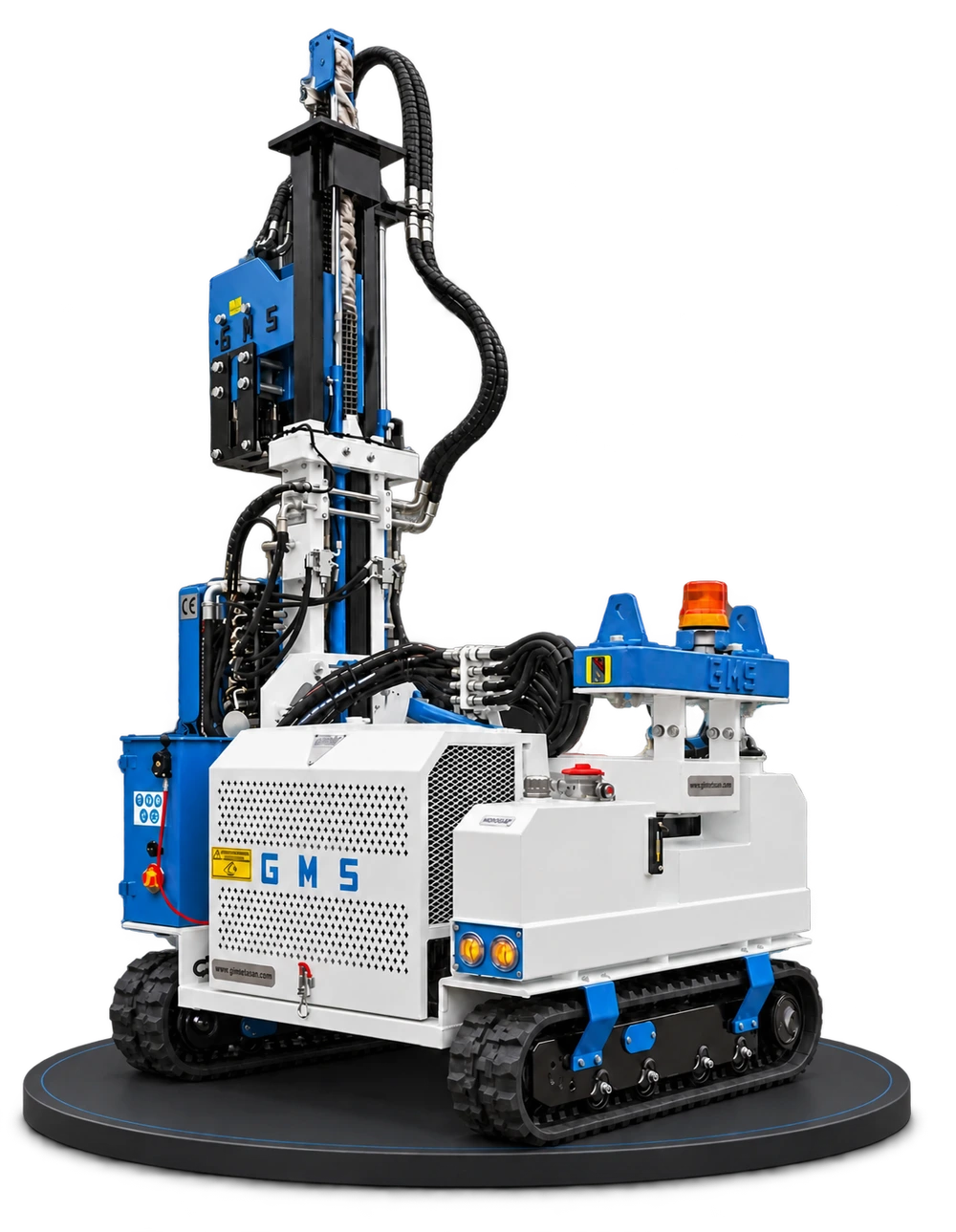
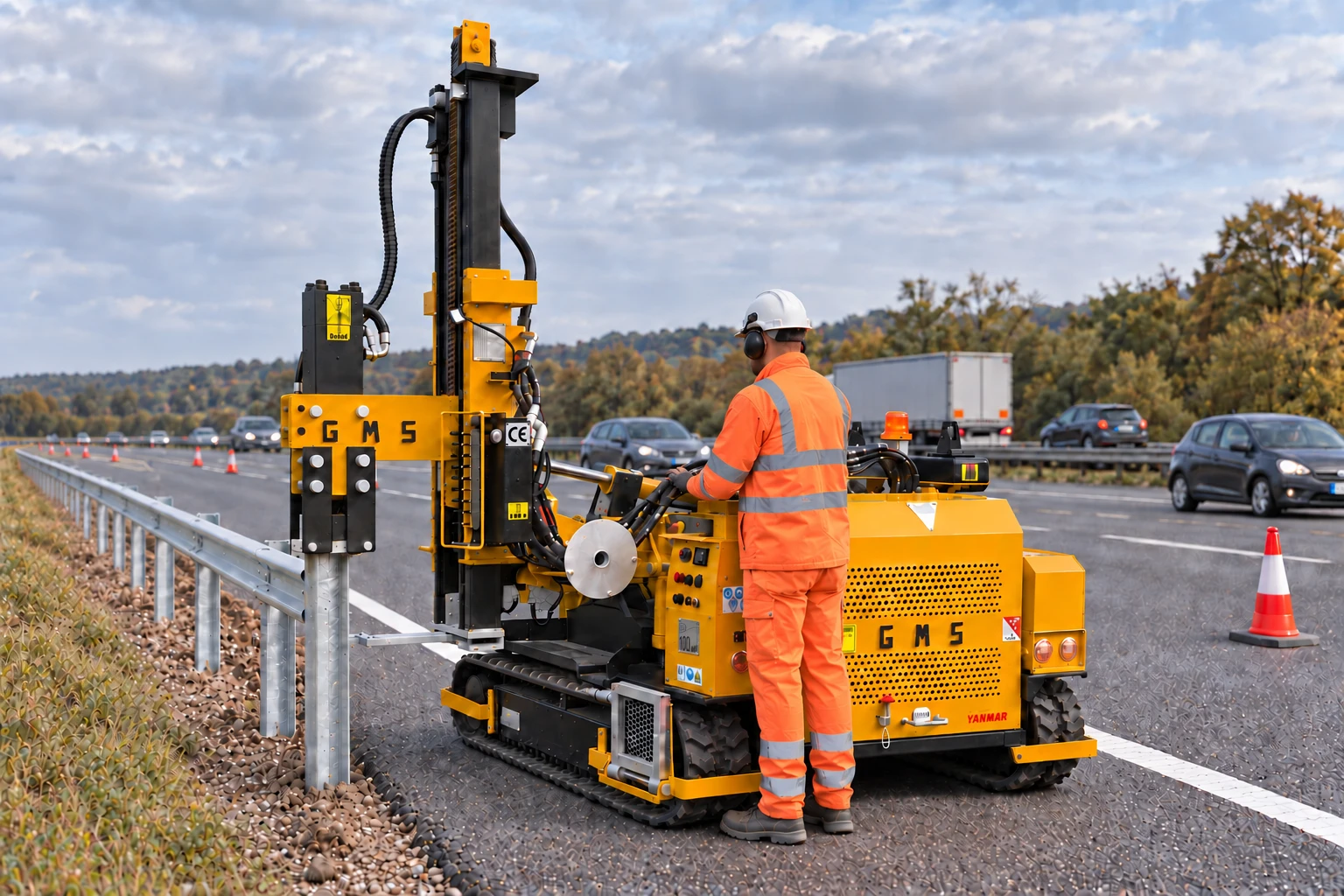
When planning work with GMS4000, check post arrangements at ends and transitions separately from the standard spacing along the barrier. Take post lengths and connection orientations directly from the product installation drawing. Confirm machine and head suitability for these components too.
Inspection must go beyond counting components. Assess the correct product in the correct location, connections made as specified and preservation of the required space together. Authorized site management must handle traffic arrangements and decisions to open the work to use.
- Code end and transition points on the layout plan.
- Compare the product component list with the delivery.
- Install the post arrangement according to the special assembly drawing.
- Create an acceptance record for the completed connection.
End terminals and transitions are special system details that complete a barrier. Verify product compatibility and correct installation together.
Sources and further reading
The scope of the standards is summarized here. In practice, the project specification, applicable editions of the standards and the assessment of the responsible engineering team take precedence.