Planning removal and redriving in barrier replacement projects
Replacing a barrier involves more than removing an old post and pile driving a new one in the same place. Identifying the existing product, the extent of damage and the ground conditions all influence the new installation.
Start by identifying the existing barrier
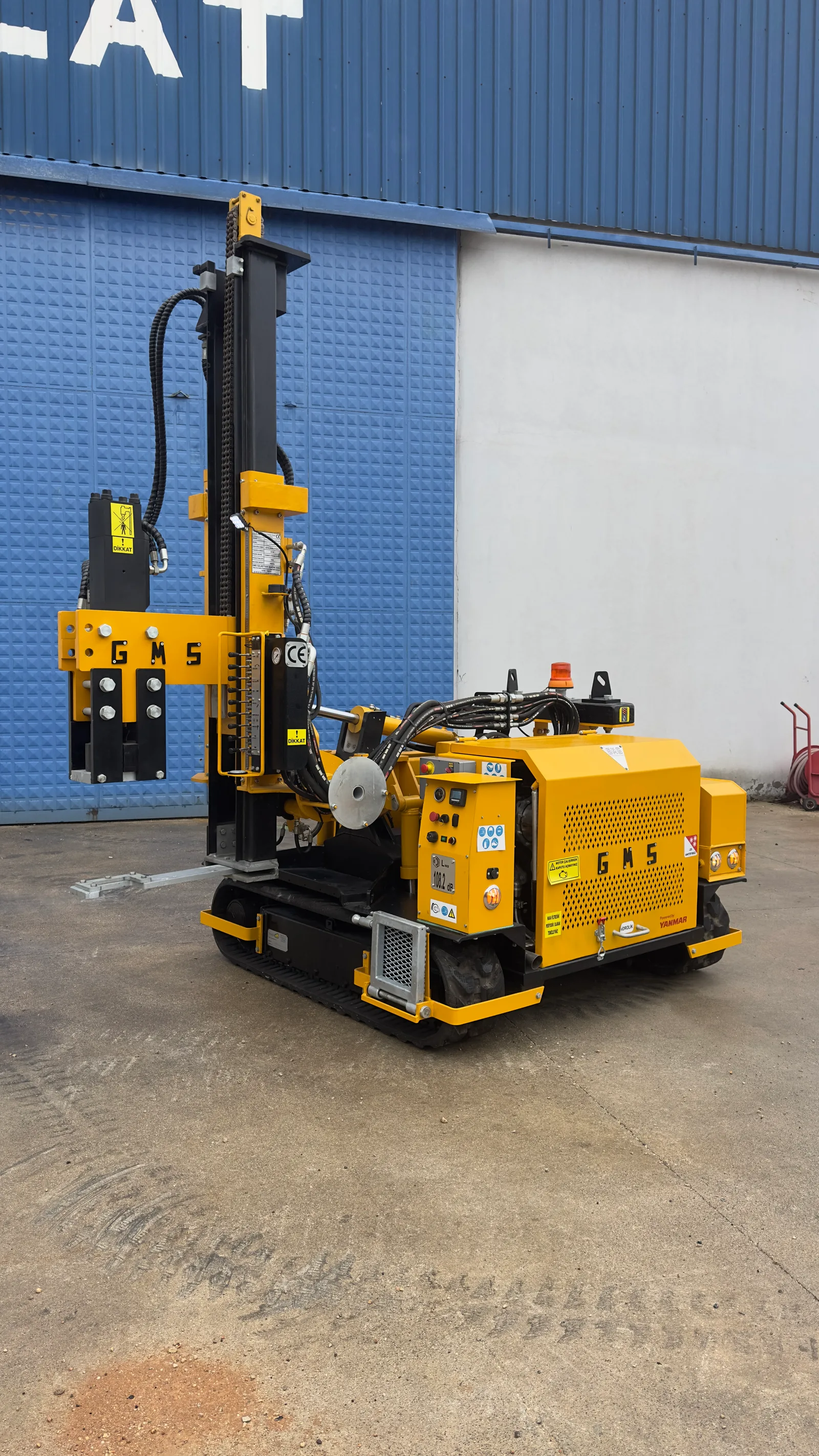
Product labels, previous project drawings and maintenance records help identify the existing barrier. The post section, connection arrangement and rail appearance alone may be insufficient. Equivalent parts should not be selected before identifying the system being replaced.
Record the start and end of the damaged section with location information. Assess connections and posts around the visible impact area as well. Review how the existing barrier relates to current site conditions to determine whether component replacement or a more extensive modification is needed.
Verify that the new part matches the system
The FHWA repair guide recommends checking manufacturer approved options before mixing different post types. The general principle is to preserve system integrity during replacement; dimensions and traffic practices specific to the US should not be transferred directly to a local project.
Even if the length of a post in stock appears suitable, its section, connection holes or material specification may differ. Compare replacement part codes with the approved material list. The relevant technical team should also decide whether components can be reused.
Source: FHWA — Repair sequence and component compatibility for steel guardrails (opens in a new tab)
Reassess ground conditions after removal
Voids, loosening or remnants such as old concrete around a removed post may affect the installation of the new post. Inserting a new component in the previous hole does not automatically provide the same foundation behavior. Required ground preparation and the new location should be determined by the project team.
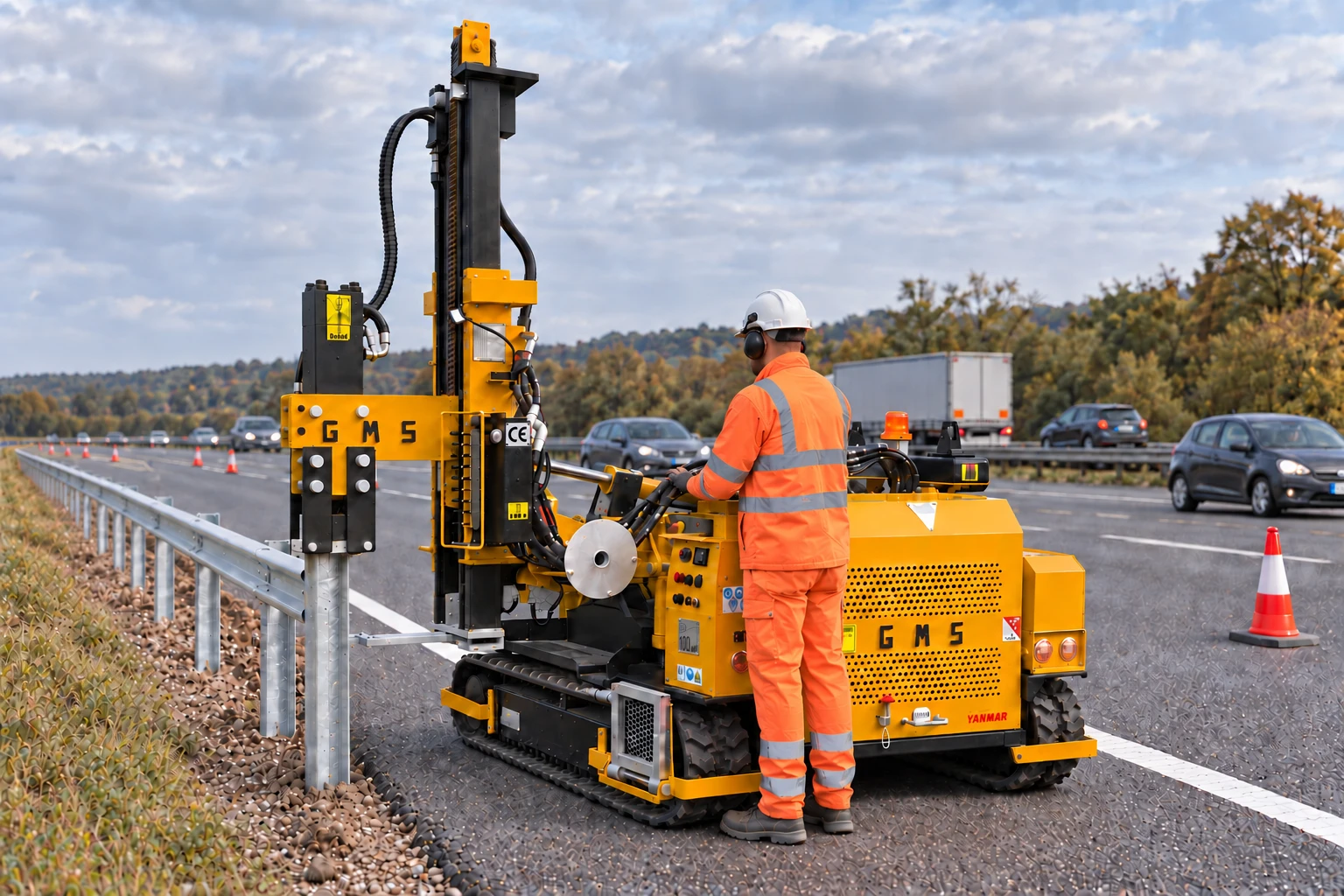
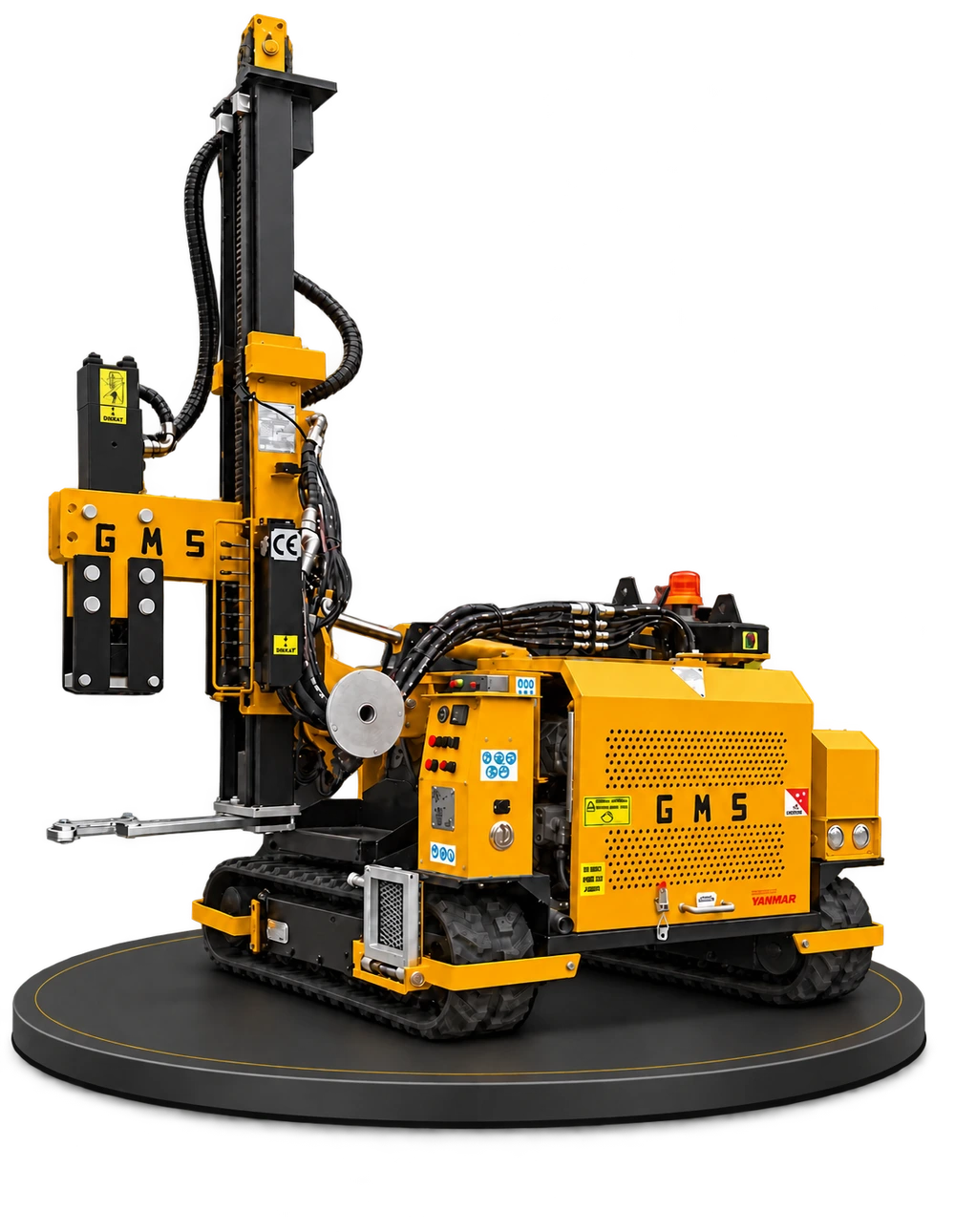
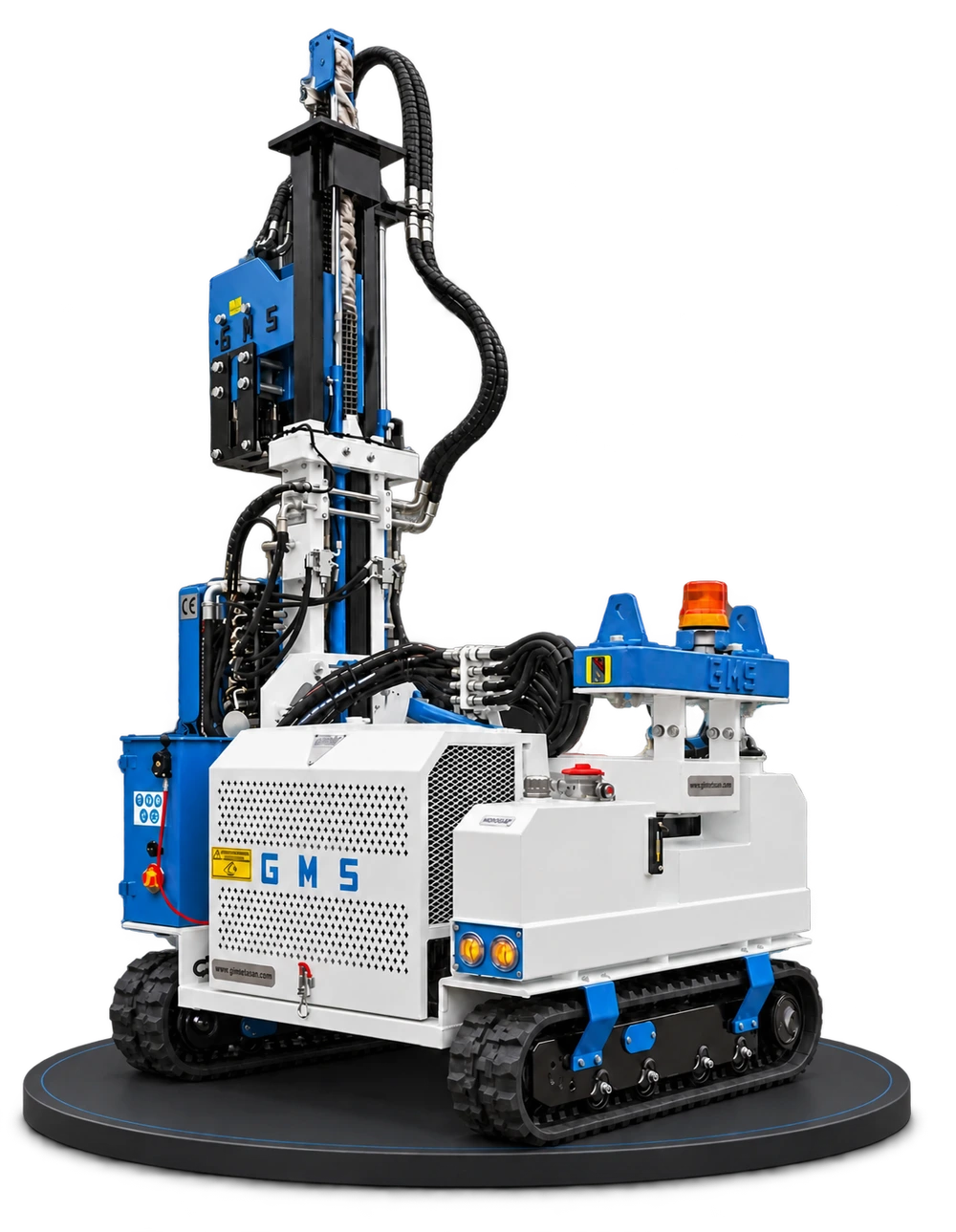
Underground utilities and nearby structures must also be considered when choosing removal and pile driving methods. Confirm the suitability of any extraction attachment or auxiliary equipment for GMS4000 with the manufacturer. Do not assume that a task outside the standard machine scope can be performed without additional equipment.
Plan replacement in sections that can be completed
Traffic and work area arrangements prepared by authorized teams should be finalized before the removal schedule. Removing long sections before new materials are ready may leave unfinished work on site. Prepare materials, machinery and inspection for each section together.
Record the elevation, alignment and connection compatibility of the new posts during final inspection. Add replaced products and special solutions to the maintenance file. This allows the next team to see which section was replaced, when and with what details.
- Identify the existing product and the extent of damage.
- Match replacement parts to the system documentation.
- Assess the ground and location after removal.
- Hand over the replaced section with measurements and photos.
Speed in replacement work comes from the correct parts and a prepared work area. Reassess the suitability of the previous location and materials.
Sources and further reading
The scope of the standards is summarized here. In practice, the project specification, applicable editions of the standards and the assessment of the responsible engineering team take precedence.