Standards and structural properties of highway barrier posts
The dimensions of posts commonly called "barrier piles" depend on the selected guardrail system. Using the same profile, length or spacing for every road and barrier is not an appropriate approach.
The section name does not describe the entire product
Posts with C, U, sigma and other section shapes appear in different systems. Procurement specifications should go beyond the section name. Consider thickness, length, hole positions, steel grade and coating specification together with the product drawing.
Replacing a profile with a thicker one or one with different holes does not automatically improve the barrier. Check component substitutions against the system installation and assessment documentation. Readily available material does not replace technical suitability.
EN 1317-2 is not a universal post dimension table
EN 1317-2 concerns barrier performance and crash tests. It should not be read as a universal product recipe giving one length, thickness or pile driving depth for every post. Check post geometry in the selected system's technical file.
Source: BSI — EN 1317-2: Barrier performance classes and crash tests (opens in a new tab)
Assess the post and ground together
The project embedment length and post spacing are not values the installation team may change to suit daily production speed. Encountering a hard layer, a change in shoulder geometry or a nearby utility line requires technical assessment.
The operator should record these changes; project leaders should determine the alternative method. If predrilling or a different foundation detail is used, document the conditions where it applies. Approval of a solution at one point does not mean it can be used along the entire barrier.
Combine material acceptance with installation acceptance
The correct product arriving in storage does not alone prove it was installed in the correct place. Matching the material batch to the post location helps inspection and later maintenance. Keep photos, measurements and drawing revisions in the same record.
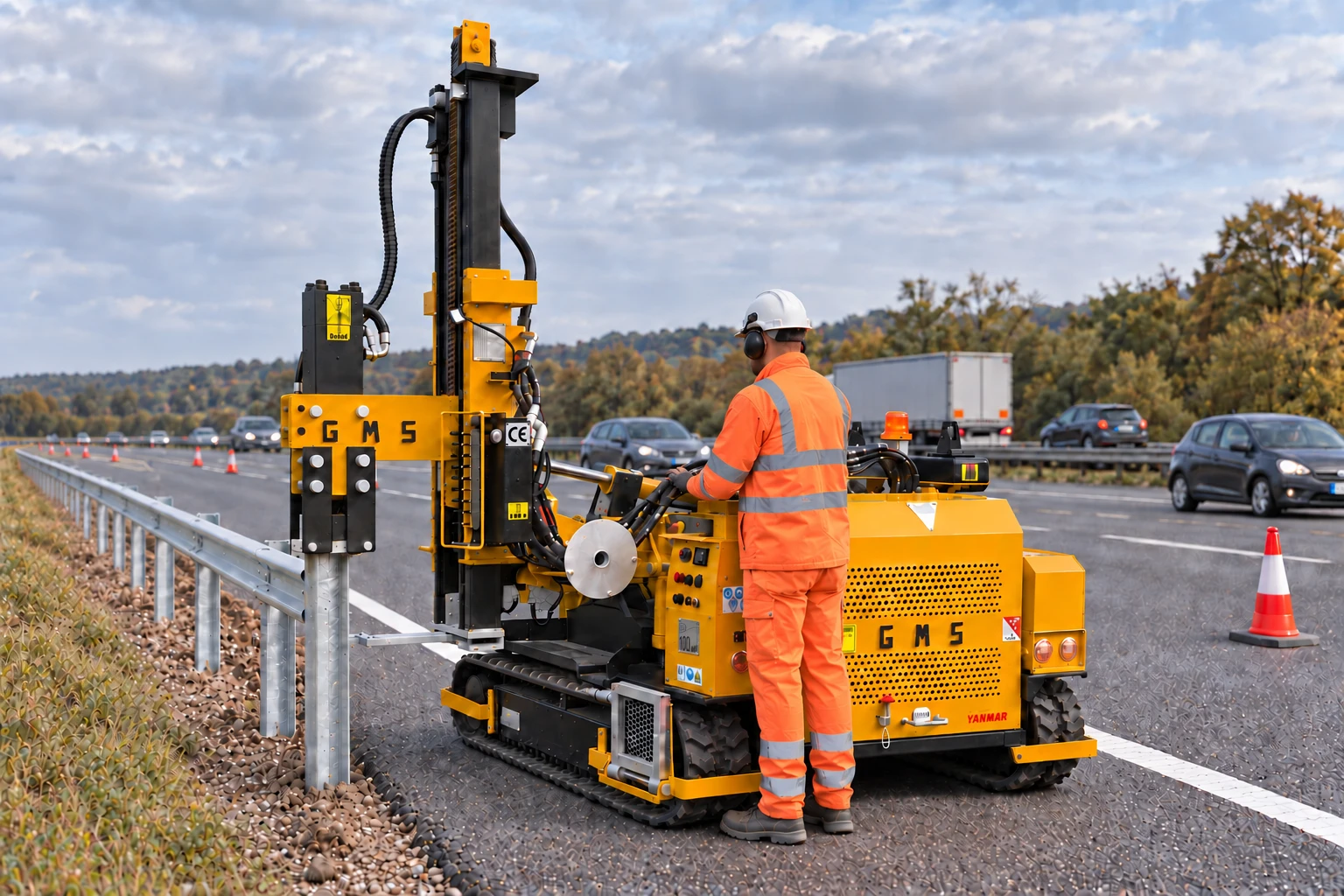
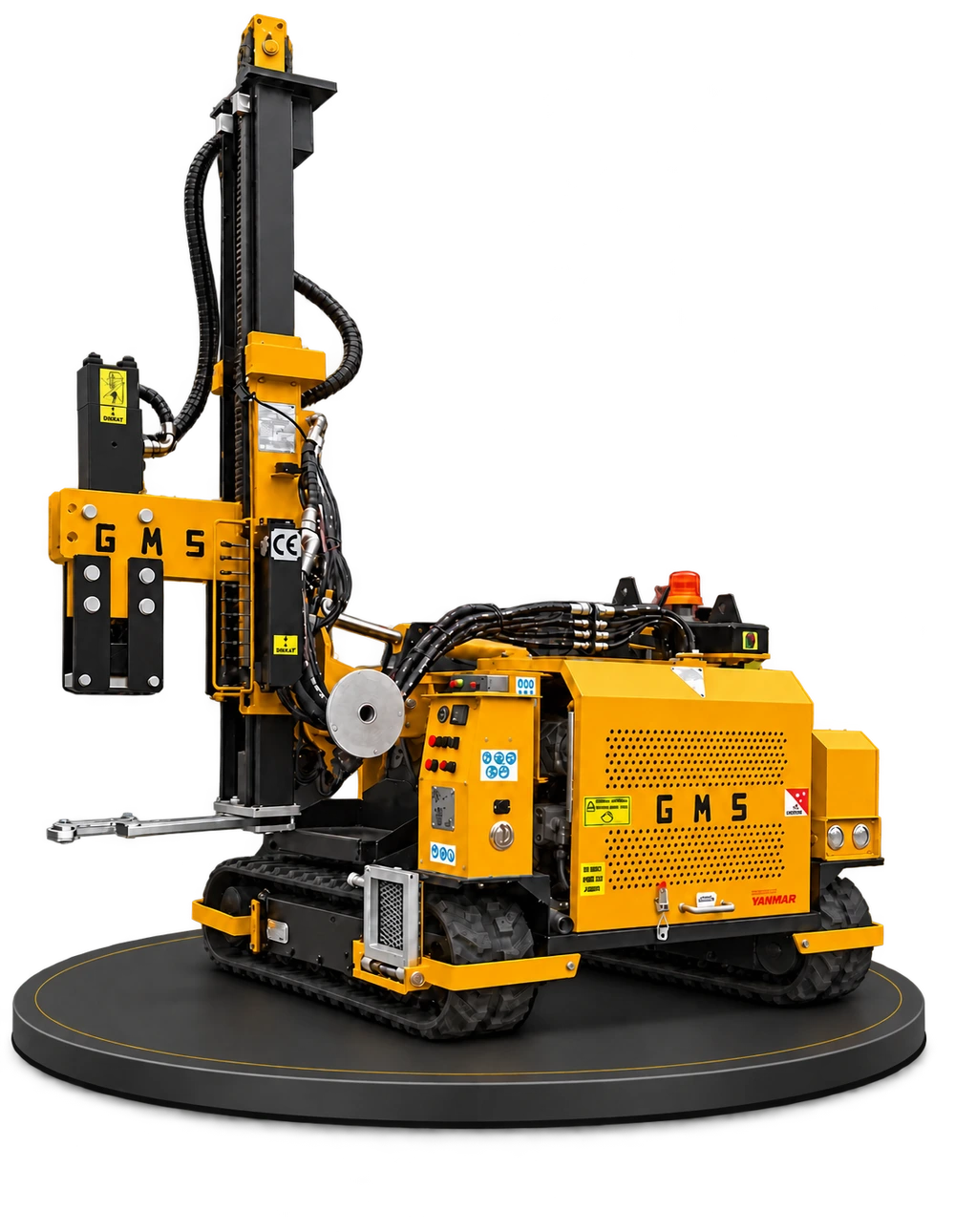
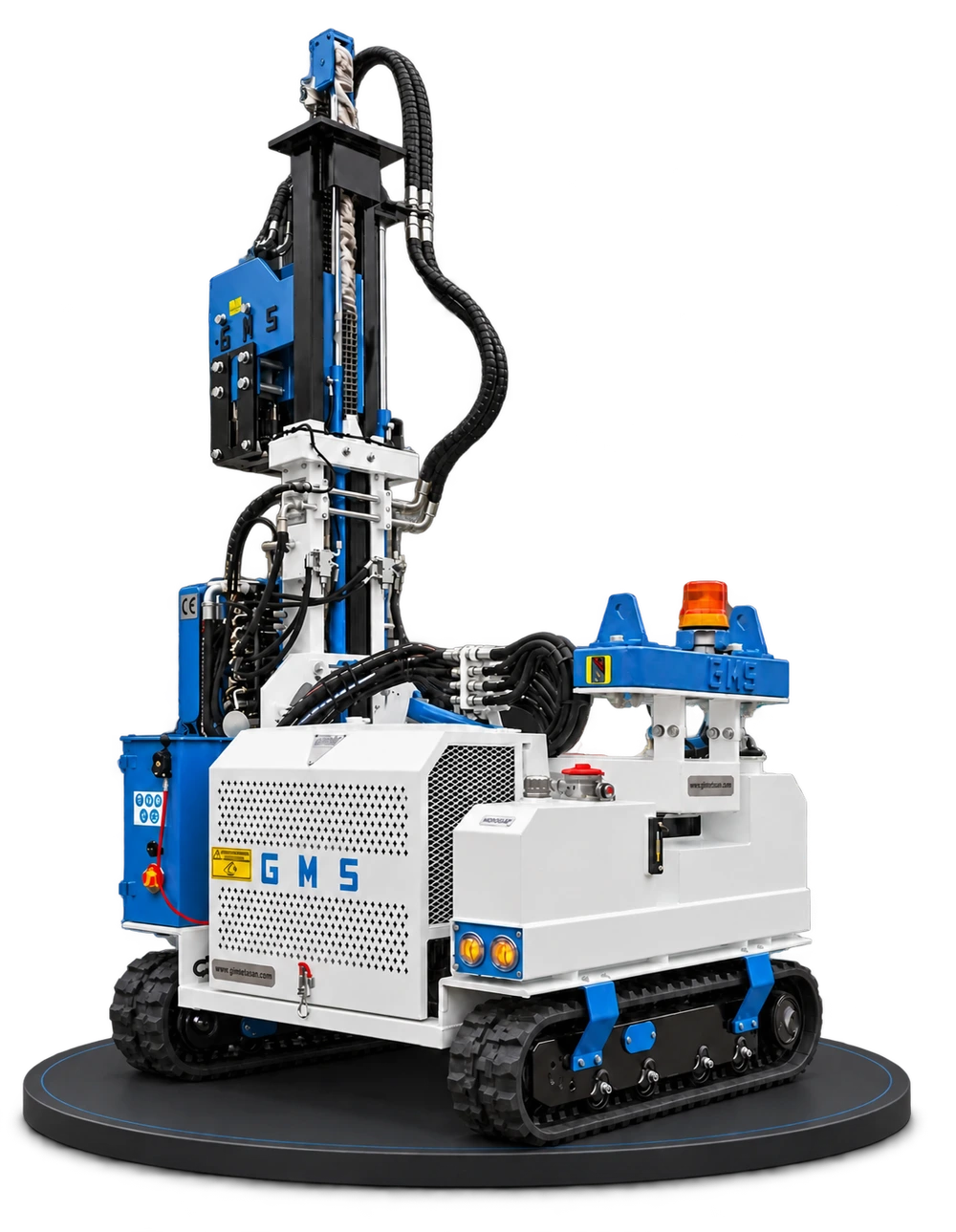
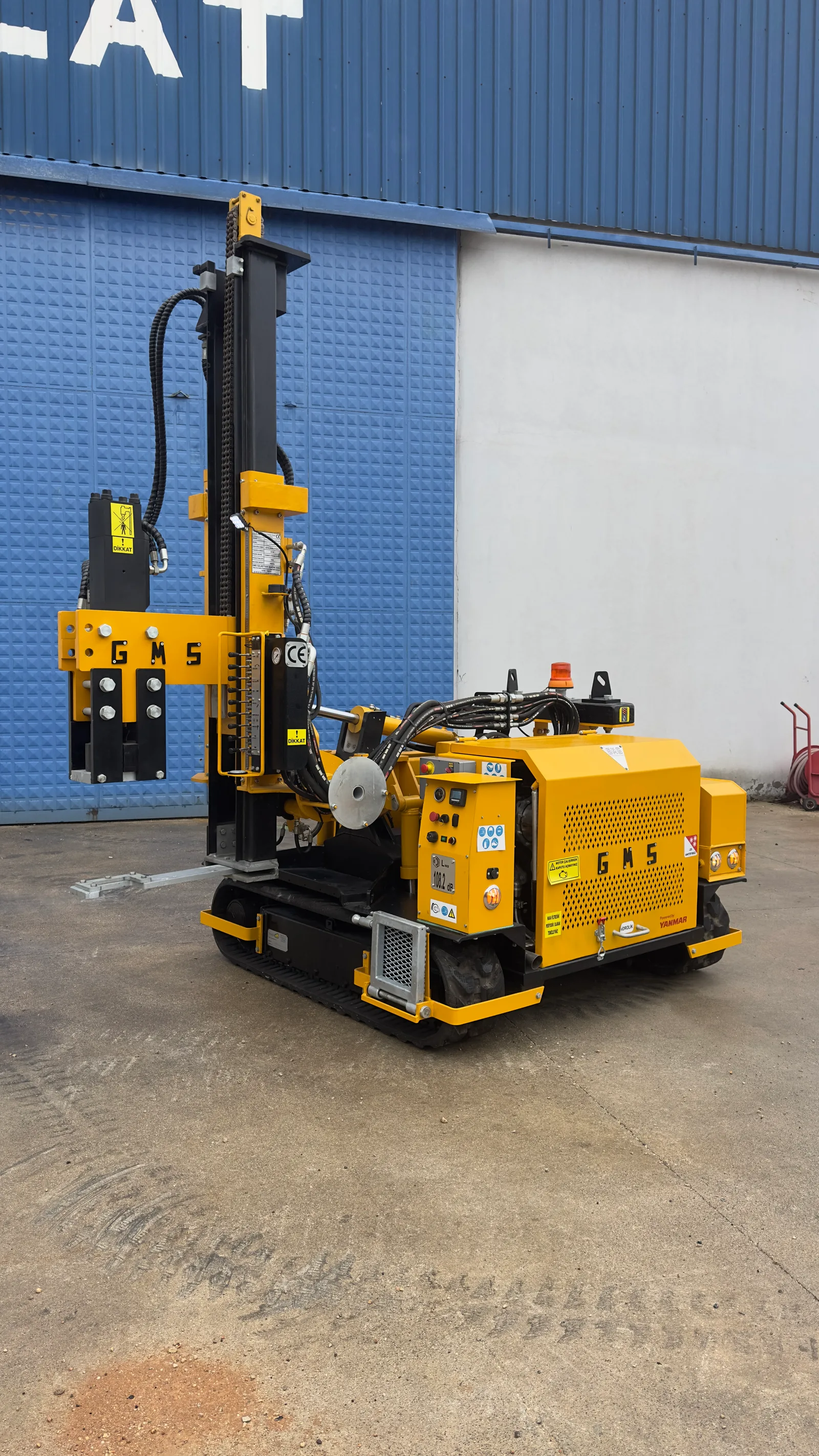
During preparation for GMS4000 work, also check pile driving head compatibility with the profile. Improper contact in the head may deform the post top. Instead of accepting this as normal production, stop installation and assess the cause.
- Product code and drawing revision.
- Section, material and coating documents.
- Post spacing, alignment, top elevation and embedment length.
- Damage, deformation and nonconformity records.
- Acceptance checks completed to the client's specification.
Do not standardize a barrier post independently of its system. Approved product documentation and project conditions determine dimensions and installation decisions.
Sources and further reading
The scope of the standards is summarized here. In practice, the project specification, applicable editions of the standards and the assessment of the responsible engineering team take precedence.