Highway barrier structure: a system working from rail to ground
A roadside steel barrier is more than a few repeated components. Rails, posts, connections and end arrangements work together, and site installation is part of that whole.
Every component has a different function
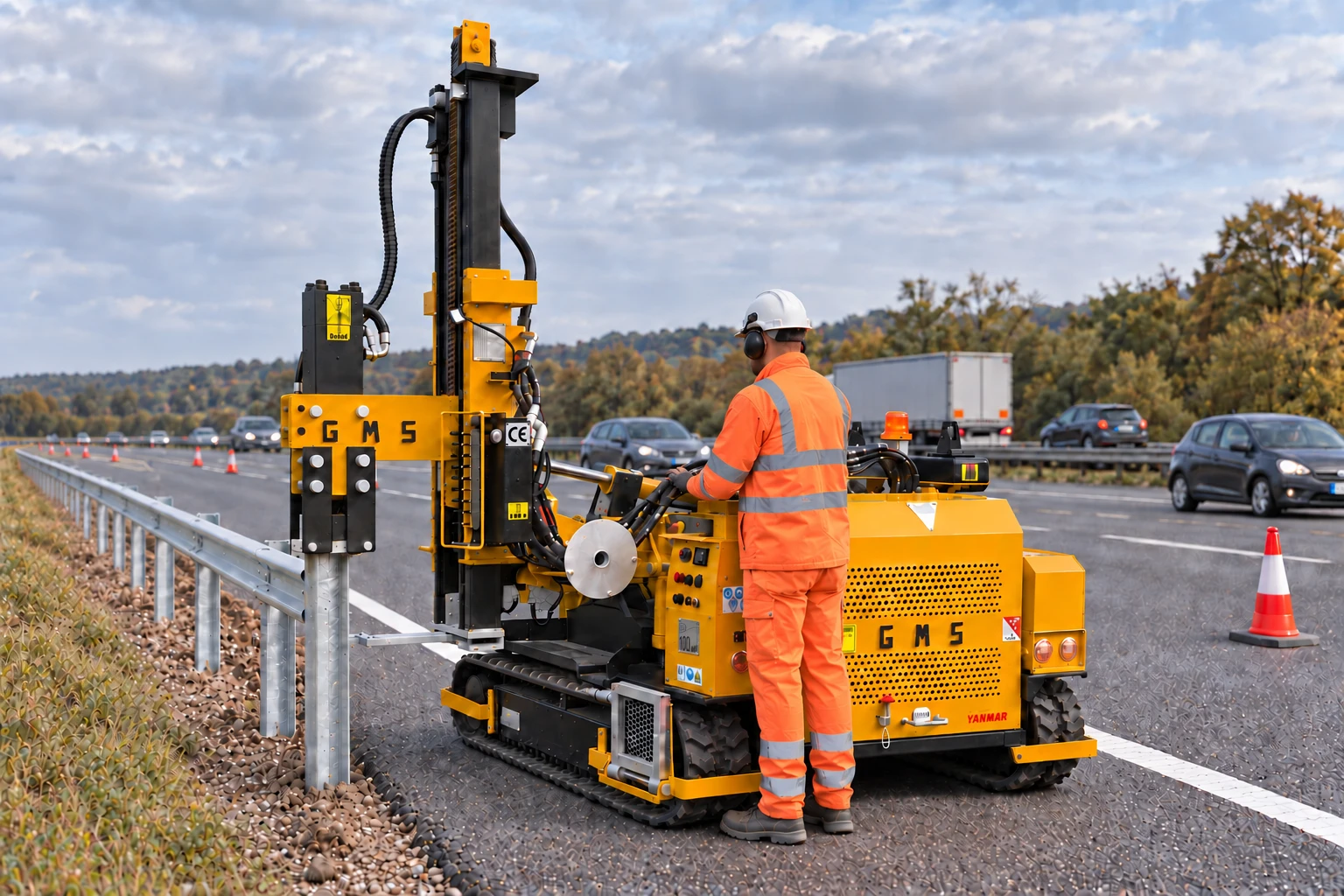
Rails, posts, connections, the ground and end components work together in a guardrail. The FHWA introduction also emphasizes assessing the barrier as a whole. US examples in that source must not replace project requirements in Türkiye.
| Component | Function |
|---|---|
| Rail | Longitudinal component that contacts the vehicle |
| Post and ground | System support and load transfer |
| Connections and any spacer components | Joining components in the designed arrangement |
| End and transition components | Barrier starts, ends and connections between systems |
Source: FHWA — Guardrail 101: Components of a guardrail system (opens in a new tab)
Performance is assessed at system level
EN 1317-2 covers performance classes, crash test acceptance criteria and test methods for safety barriers. The material quality of one post or the strength of one connection does not alone determine the class of the entire barrier.
Project selection considers declared system performance together with road conditions. Choosing a product used elsewhere merely because it looks similar does not provide the necessary technical matching.
Source: BSI — EN 1317-2: Barrier performance classes and crash tests (opens in a new tab)
Why do small installation changes matter?
Post spacing, rail height, embedment length and connection arrangement must be defined in the installation file. Obtain an approved solution instead of changing these values arbitrarily to accommodate an obstacle on site.
Drawing details are especially important at culverts, bridge approaches and connections between different barrier systems. Start and end components should not be treated as secondary tasks completed with leftover materials. The installation team must be able to trace the product family and detail being used.
Post driving determines subsequent assembly
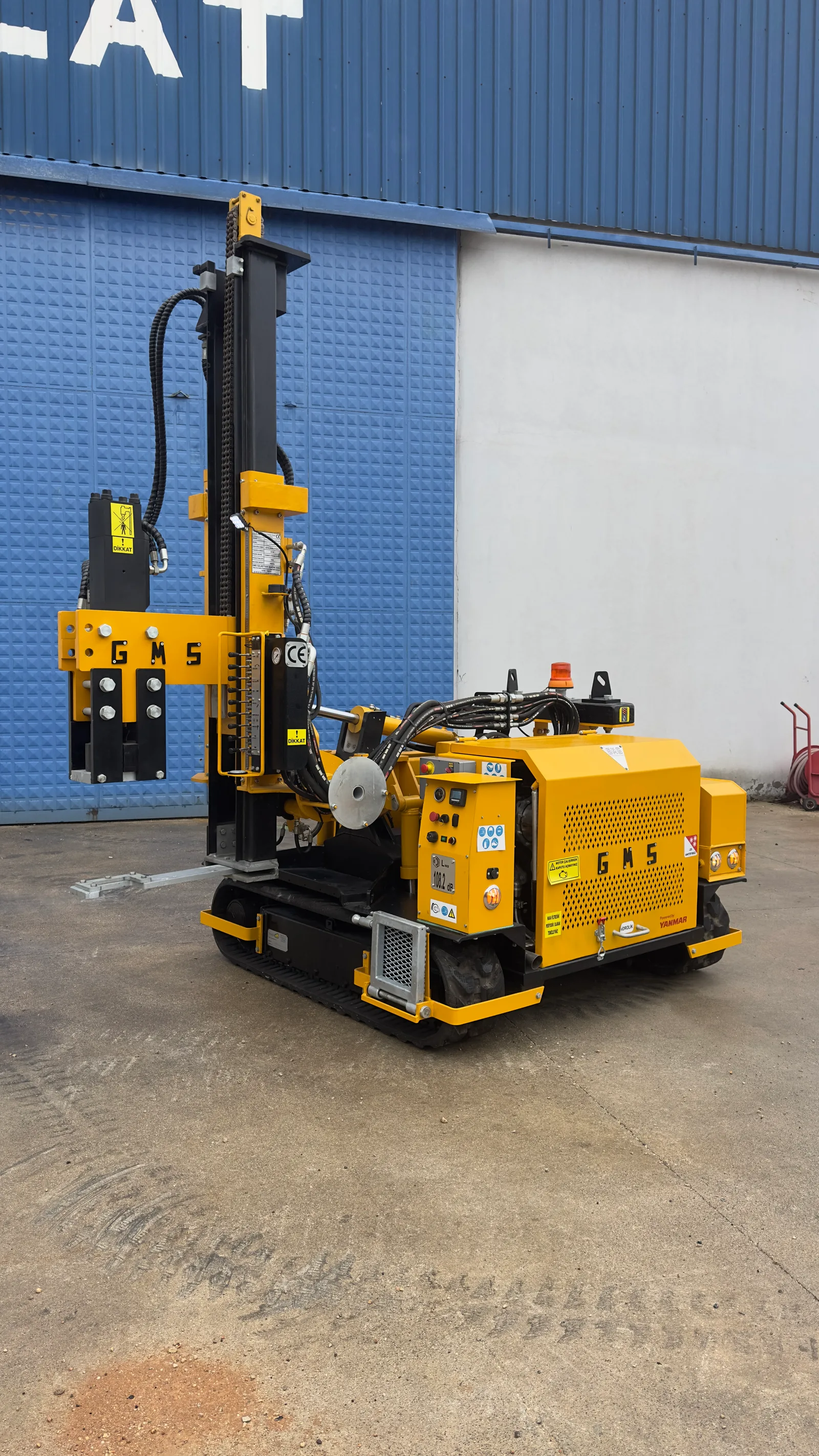
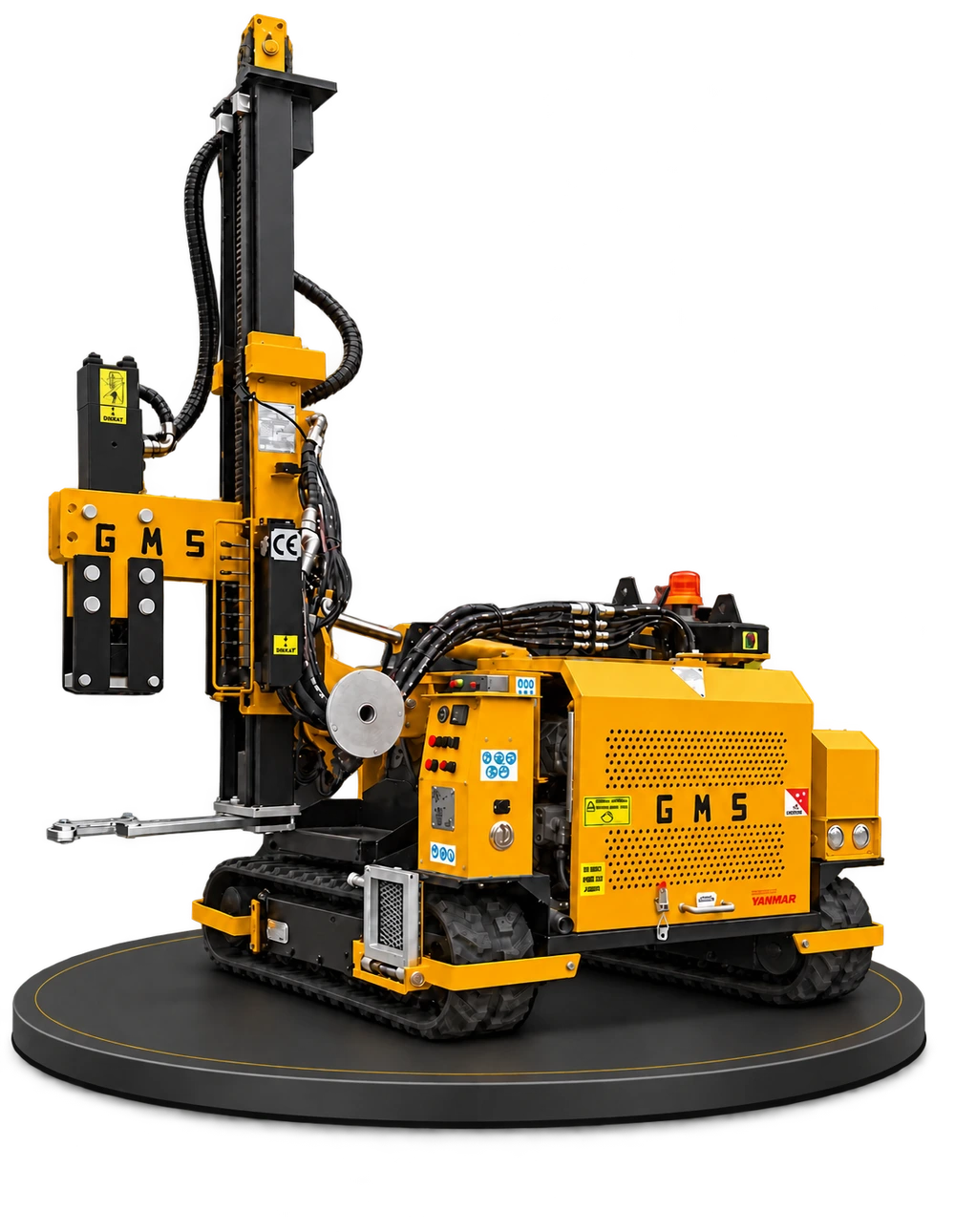
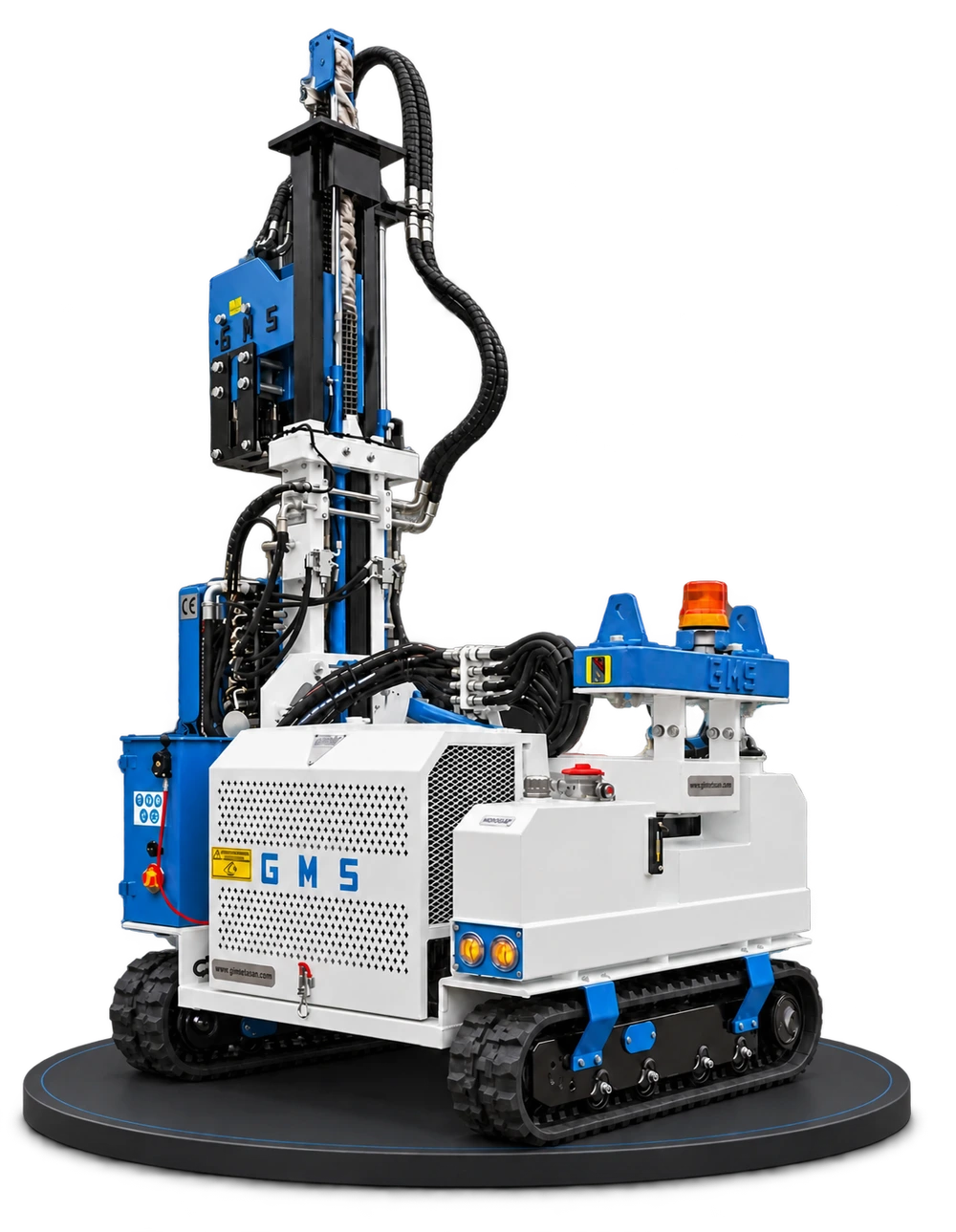
For a barrier installation with GMS4000, plan the machine route, post supply and measurement sequence together. Checking every post's position and elevation helps prevent an accumulation of errors discovered during rail assembly.
Barrier handover should not be defined solely by the number of driven posts. Drawing compliance, component traceability and inspection records for the completed installation are all part of the same handover. Assess machine productivity alongside this acceptance process.
- Keep the current system installation drawing on site.
- Assess post locations and obstacles before starting work.
- Check compatibility of end, transition and connection components with the product.
Barrier safety depends on considering components and installation details together. Installation must preserve the approved arrangement of the selected system.
Sources and further reading
- FHWA — Guardrail 101: Components of a guardrail system (opens in a new tab)
- BSI — EN 1317-2: Barrier performance classes and crash tests (opens in a new tab)
The scope of the standards is summarized here. In practice, the project specification, applicable editions of the standards and the assessment of the responsible engineering team take precedence.