
Preparing handover and quality documentation for pile driving projects
Pile driving the last post does not mean the project is ready for handover. Documentation showing that the installation used the correct products and drawings and completed the required inspections is also part of the work.

Define the handover scope at the start
Determine at the outset which documents must be submitted, who prepares them and the accepted format. Searching for material batches or photos retrospectively after completion takes time and can leave gaps in records. Align daily record keeping with handover expectations.
Acceptance of pile driving work and commissioning an entire solar plant have different scopes. The US Department of Energy treats photovoltaic installation and commissioning through separate verification steps. Foundation and structural records contribute to this process but do not alone complete acceptance of the entire plant.
Source: US Department of Energy — Photovoltaic system installation and commissioning (opens in a new tab)
Reflect the completed site arrangement in the drawings
Approved location changes, alternative foundation solutions and revised post types should appear in the as-built drawing. Submitting the original project drawing without recording changes makes the actual site arrangement harder to trace.
Linking change dates and approval records to the drawing helps future maintenance or expansion teams understand why a solution was used. It is also useful to distinguish canceled points from points that were never installed.
Match documents to the corresponding installations
A material certificate, coating report or test result may be in the file, but its value is limited if the corresponding batch or site point is unclear. Structure the file so that documents can be reached easily from an installation point.
| Document group | Related record |
|---|---|
| Material and coating | Product code and delivery batch |
| Trial installation and load tests | Test point and assessment report |
| Position, elevation and verticality | Post identity and measurement record |
| Nonconformity and correction | Decision, implementation and reinspection |
| As-built drawings | Current revision and approval information |
Close outstanding items visibly
Before handover, collect incomplete measurements, missing documents and points awaiting correction in one list. Assign a responsible person and closure evidence to every item. Missing records will then not disappear behind an assumption that the work is complete.
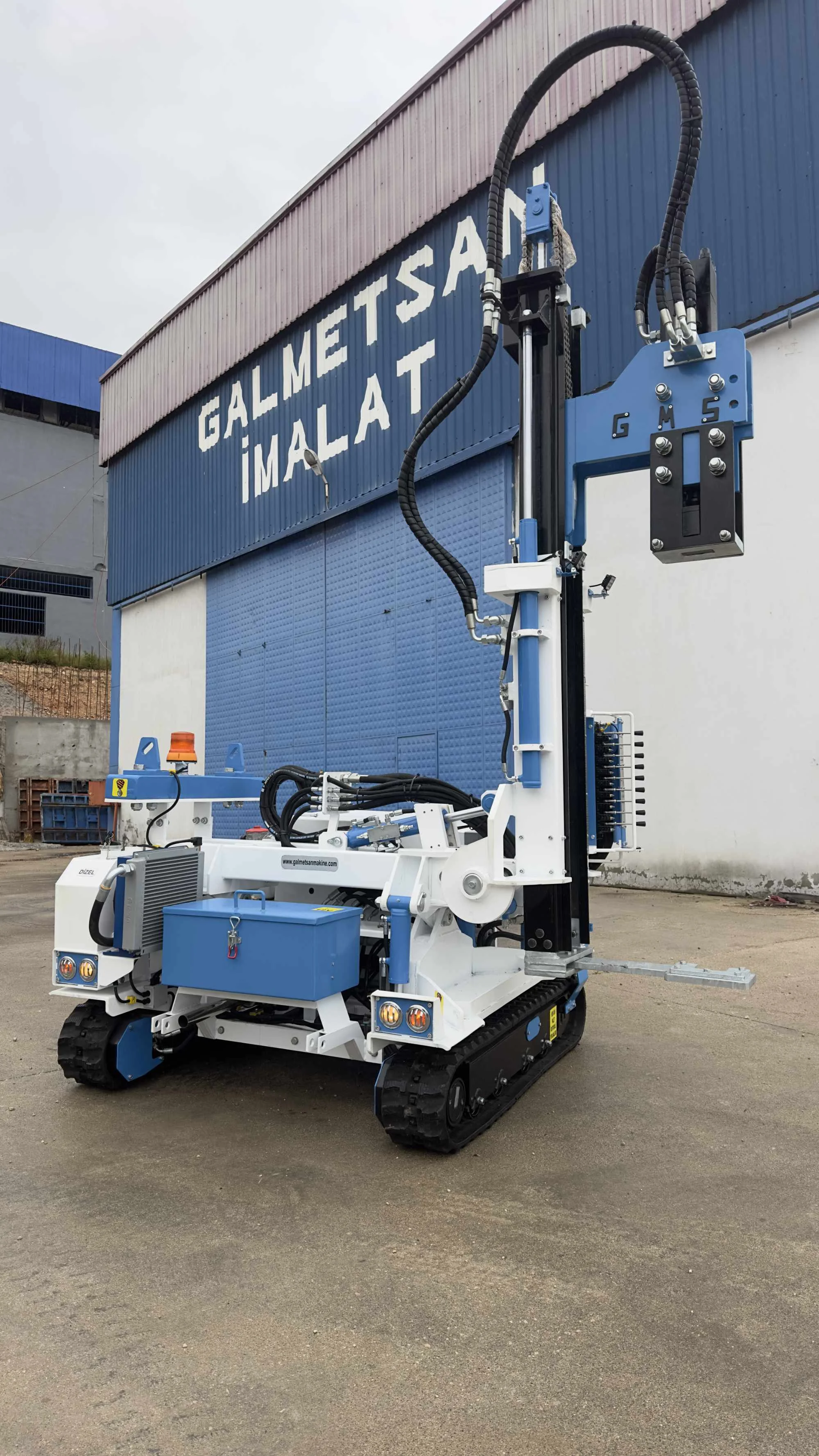
For work performed with GMS GES or GMS4000, include machine operation and maintenance records if required by the contract. Equipment having operated does not prove that the installation meets project conditions. Final acceptance must be based on the relevant technical checks and authorized assessments.
The handover file should also be understandable to future users. Descriptive document names, point codes and revision information make it easier for maintenance teams to find a record years later.
- Agree the handover checklist at the start of the project.
- Link documents to point and batch information.
- Complete outstanding items with closure records.
- Submit as-built drawings with the applicable revisions.
The quality file is a traceable record of what was done on site. Consistent daily records make project handover clearer and more predictable.
Sources and further reading
The scope of the standards is summarized here. In practice, the project specification, applicable editions of the standards and the assessment of the responsible engineering team take precedence.