Material distribution and site logistics in pile driving
Production waits if the right posts are not ready at the work points when the machine arrives. Material logistics is one of the preparation steps that determine the daily outcome of pile driving work.
Link delivery to the installation sequence
Posts are often delivered according to production or packing order, while site work progresses by row, route or work zone. Matching these arrangements in advance can reduce repeated handling. Package labels can identify the assigned work zone as well as the product code.
Where a project uses different lengths or sections, similar looking packages may become mixed on site. Check delivered materials against the current product list. Make shortages and unsuitable products visible before the daily pile driving program starts.
Plan temporary storage together with access
Materials close to the work point are useful, but blocking access roads or survey references can create new delays. Select storage areas together with machine movement and access for other teams. Preserve drainage routes and emergency access in this plan.
Follow product and equipment instructions for stacking, handling and loading. Dragging posts over the ground or unloading them carelessly may damage coatings and geometry, requiring inspection. Delivery acceptance and tracking material condition on site should complement each other.
Direct the machine to work zones that can be completed
A zone with completed setting out, distributed materials and verified access offers a more predictable work sequence for the machine. A few points awaiting technical decisions, however, can halt the entire team. List these separately so the schedule reflects actual conditions.
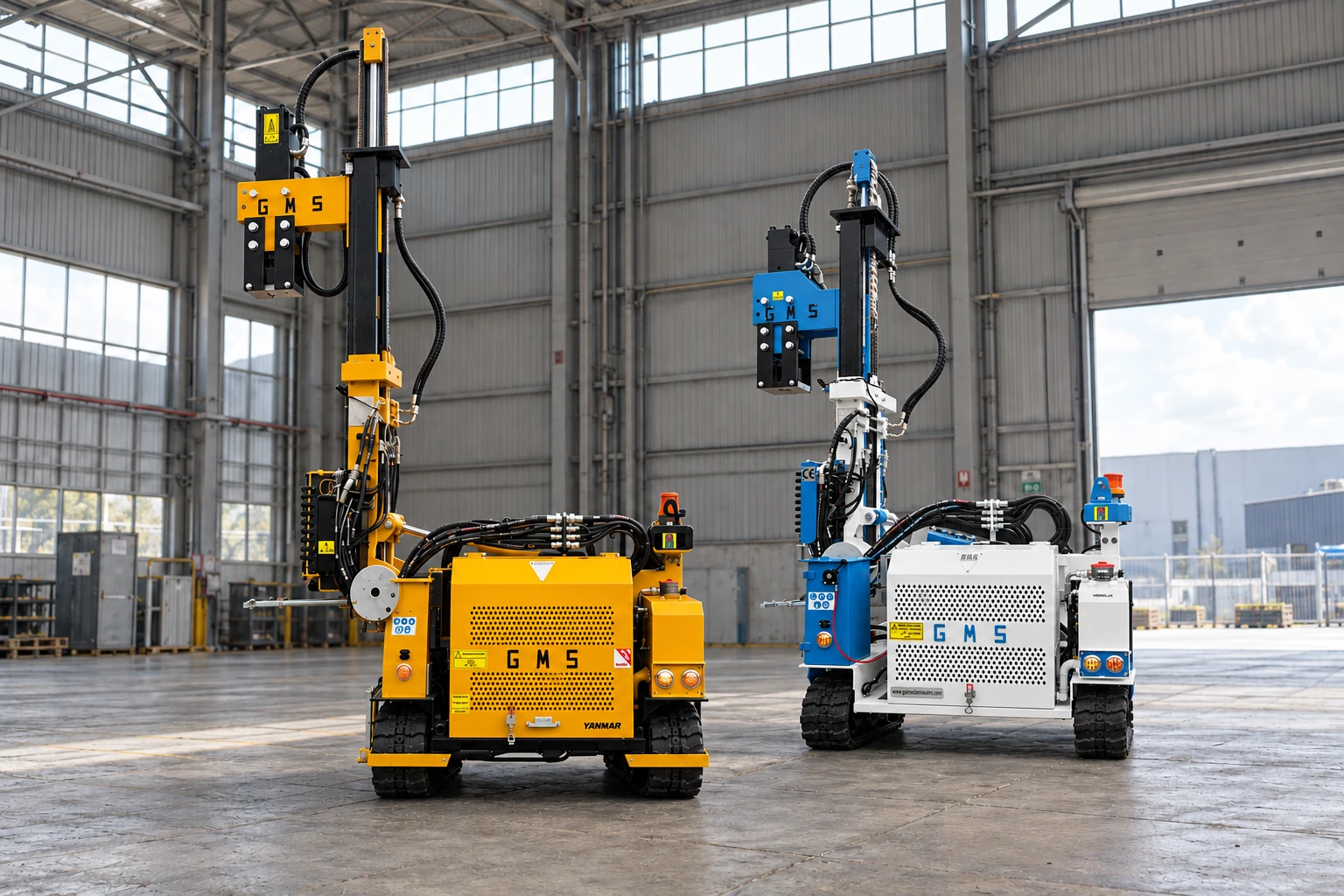
Daily tasks can be planned by panel rows for GMS GES and by road sections for GMS4000. Clearly show which zones await pile driving, measurement or correction. "Completed" should mean the same thing to every team.
Knowing why work waits is as important as measuring the delay
End of day records can distinguish waiting for materials, surveying or site access. When the next day's preparations reflect these records, the report becomes more than a history document. It reveals which preparations can resolve recurring issues.
Assess the contribution of logistics improvements using total time and accepted work under comparable conditions. Instead of promising the same productivity increase for every project, measure existing delays and track the effect of the change.
- Match deliveries to site zones and product codes.
- Choose storage points together with access routes.
- Include ready work zones in the daily plan.
- Use the causes of delays to prepare for the following day.
Orderly material flow helps the machine use its time on site more effectively. Delivery, storage and installation sequence should share one plan.