Daily reports and installation traceability in post driving
A daily total alone does not show which post was installed where and under what conditions. Good records connect production information with location and acceptance status.
Give every post a traceable identity
Row and point numbers can be used on solar sites, and route and location codes along barriers. The same component must be identifiable by the same code in the material list, measurement record and photos. Different naming by different teams makes records harder to connect.
Define numbering during preparation instead of changing it once installation has begun. If a point is moved or canceled in a project revision, link the old record to the new status without deleting it. This makes subsequent changes understandable.
Choose the essential data describing the installation
The FHWA pile driving inspection guide calls for lengths, pile driving criteria and field verification information to be recorded. This demonstrates that records serve a wider purpose than counting output. Required fields for a solar or barrier project should be defined in the project quality plan.
| Record field | Information provided |
|---|---|
| Post and location code | Location of the installation on site |
| Profile and batch | Identity of the material used |
| Machine and head | Equipment configuration used |
| Date and installation observation | Conditions when the work was performed |
| Measurement and acceptance status | Completed and pending inspections |
Source: FHWA — Field inspection and records for pile driving (opens in a new tab)
Distinguish installed, inspected and accepted work
A post being driven does not mean its measurement or required acceptance procedures are complete. Track these stages separately in the report. Work awaiting correction should also have its own explanation and responsible person.
Generating daily totals from these statuses makes differences between production and quality team counts easier to explain. Define in advance which status is required before the next work stage can begin. Incomplete inspections will then not surprise subsequent teams.
Use reports to support decisions
Recurring deviations in the same area may indicate a need to investigate ground conditions, setting out or the installation process. However, a correlation does not establish the cause. Records help the technical team select the points to investigate.
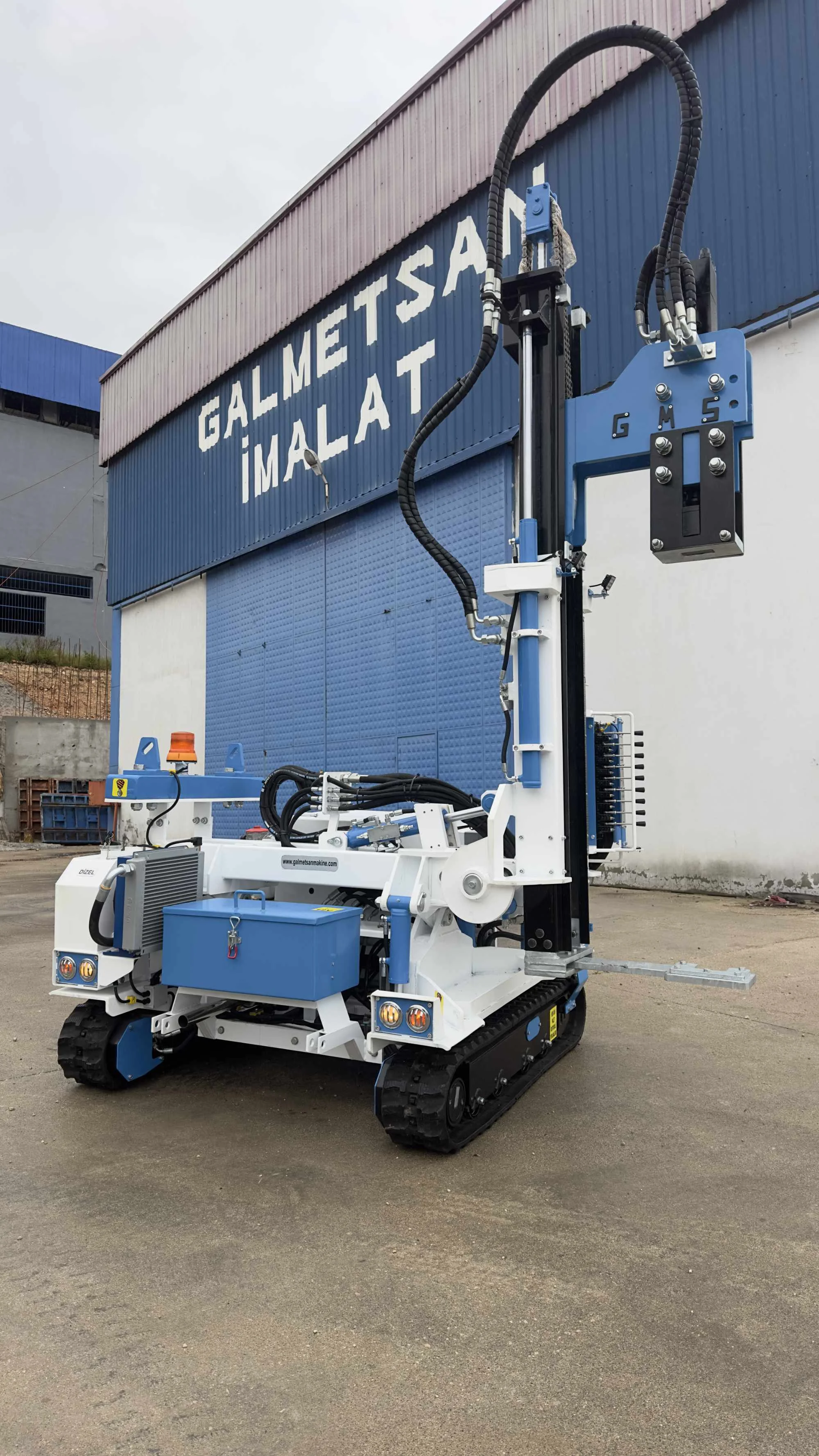
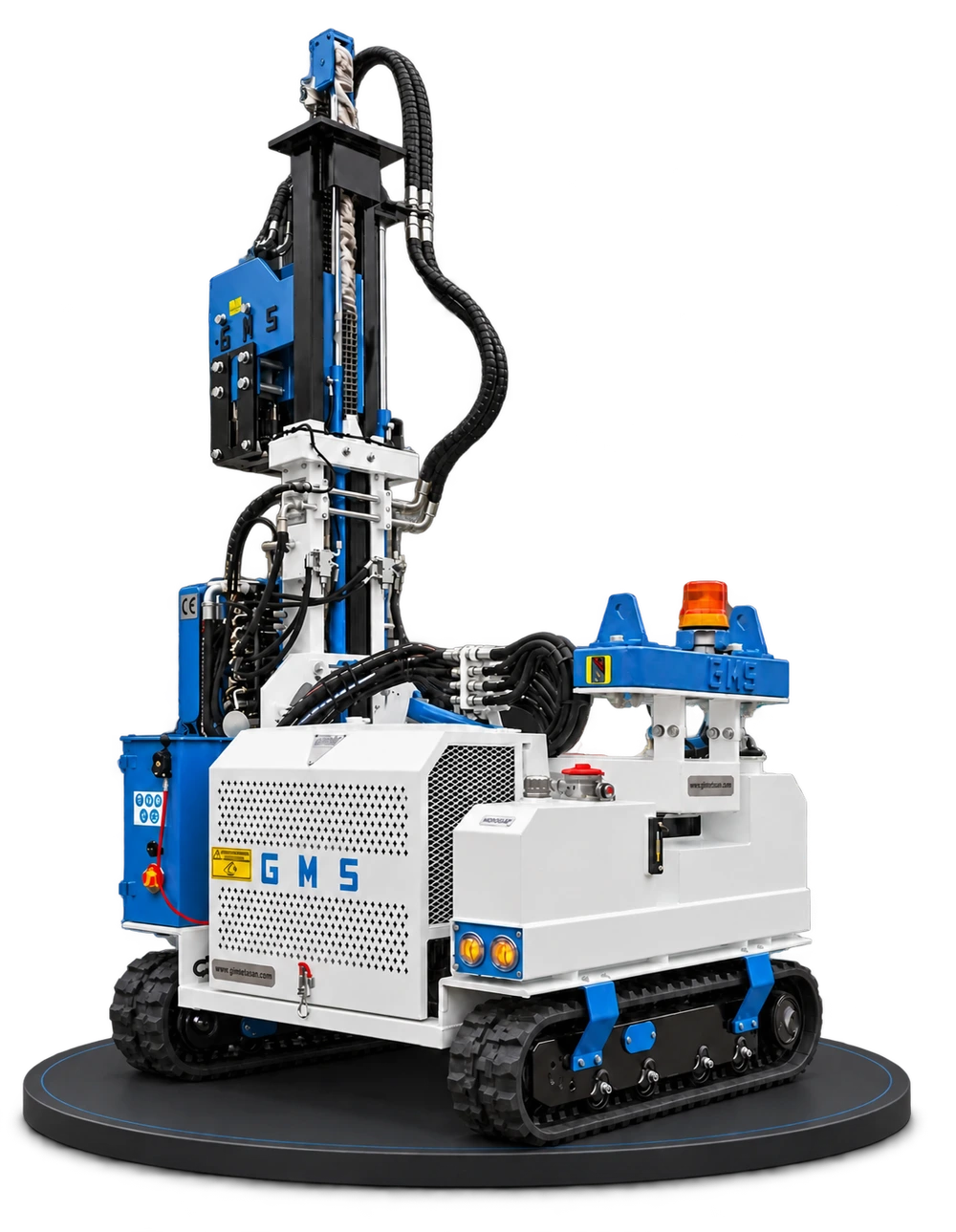
During work with GMS machines, operator observations and measurement results can be collected under the same point code. A simple, consistent form may be more practical than a long list that is difficult to complete. Adapt the form to the site workflow without omitting mandatory project records.
- Use the same point identity in all records.
- Record installation and acceptance statuses separately.
- Link correction results to the previous record.
- Use daily data when planning subsequent work.
Traceability means accessing a post's history through one identity. Daily reports should bring production and acceptance records together around that identity.
Sources and further reading
The scope of the standards is summarized here. In practice, the project specification, applicable editions of the standards and the assessment of the responsible engineering team take precedence.