How to select posts for solar farms
The support structure beneath the panels is the foundation of a solar plant's long service life. Select posts by considering the panel arrangement, terrain and installation method together.
The load path from panel to ground
Loads on the panels pass through connections, supporting beams and posts to the ground. A post therefore cannot be considered merely a steel component purchased in isolation. Loads on it may change when the panel table grows, the span changes or a tracking system is introduced.
Table geometry and connection arrangement are central to fixed tilt systems. For tracking systems, moving structure spans, travel limits and the manufacturer's installation tolerances also inform selection. Different foundation solutions may be needed in different areas of the same site.
C, U and other steel profiles
Solar installations may use open cold formed sections, hot rolled sections or tubular sections. The section name alone does not indicate load bearing capacity. Wall thickness, steel grade, section geometry, connection holes and unsupported post length must be examined together.
During procurement, match the profile in the project drawing exactly to the offered product. If two similar looking sections have different connection points, additional drilling or forced assembly may be needed on site. Such changes must undergo design review.
Driven piles do not behave the same in every ground
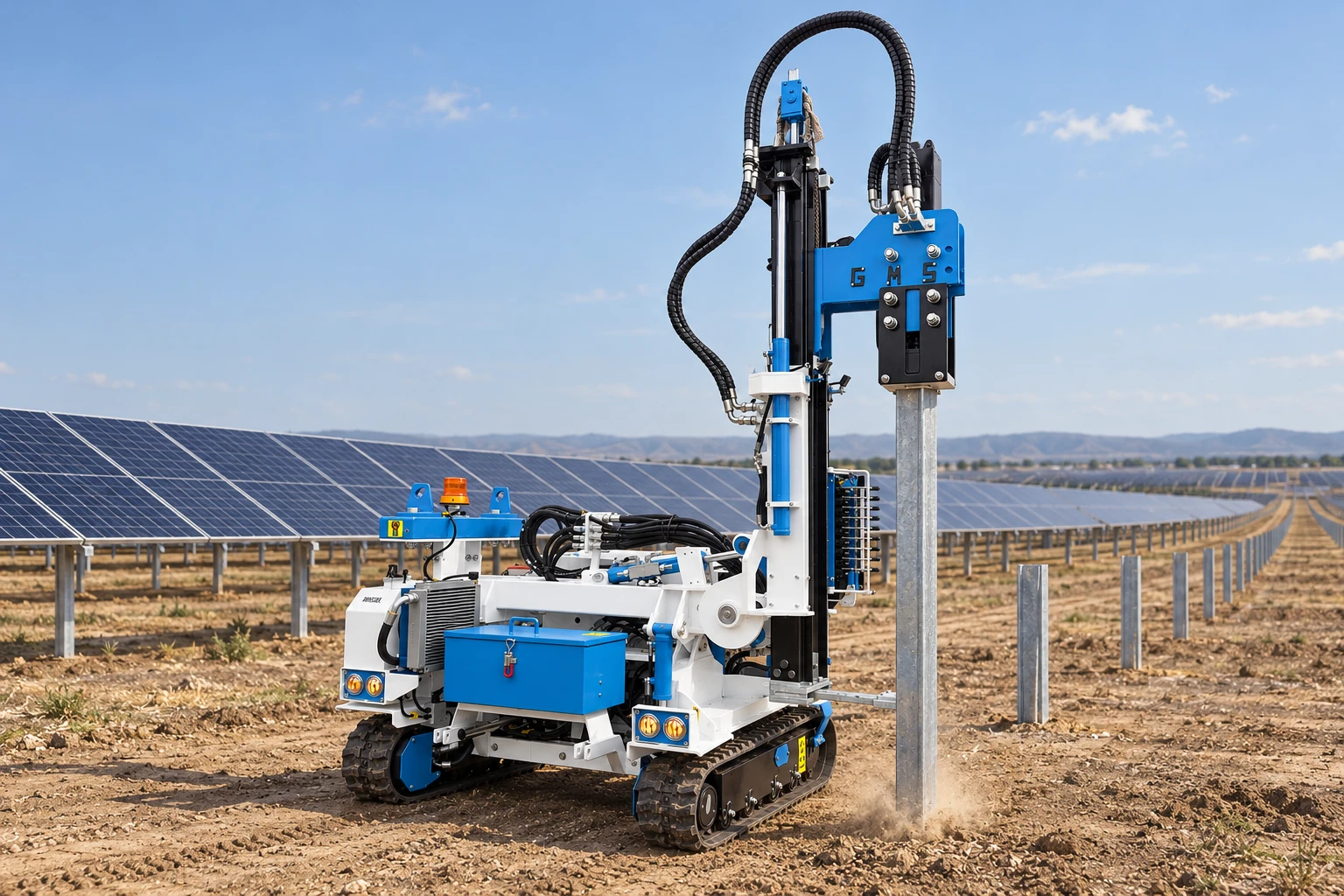
Driven steel posts can reduce excavation and concrete work under suitable conditions. However, rock, large boulders, variable fill and soft layers affect installation. Ground investigation and trial installation help reveal how the selected profile behaves on site.
EN 1997 addresses the framework for geotechnical design. Embedment length and foundation behavior must be linked to site data and engineering assessment. There is no single pile driving depth suitable for every solar farm.
Source: European Commission JRC — Eurocode 7: Geotechnical design (opens in a new tab)
Complete post selection with machinery and workflow
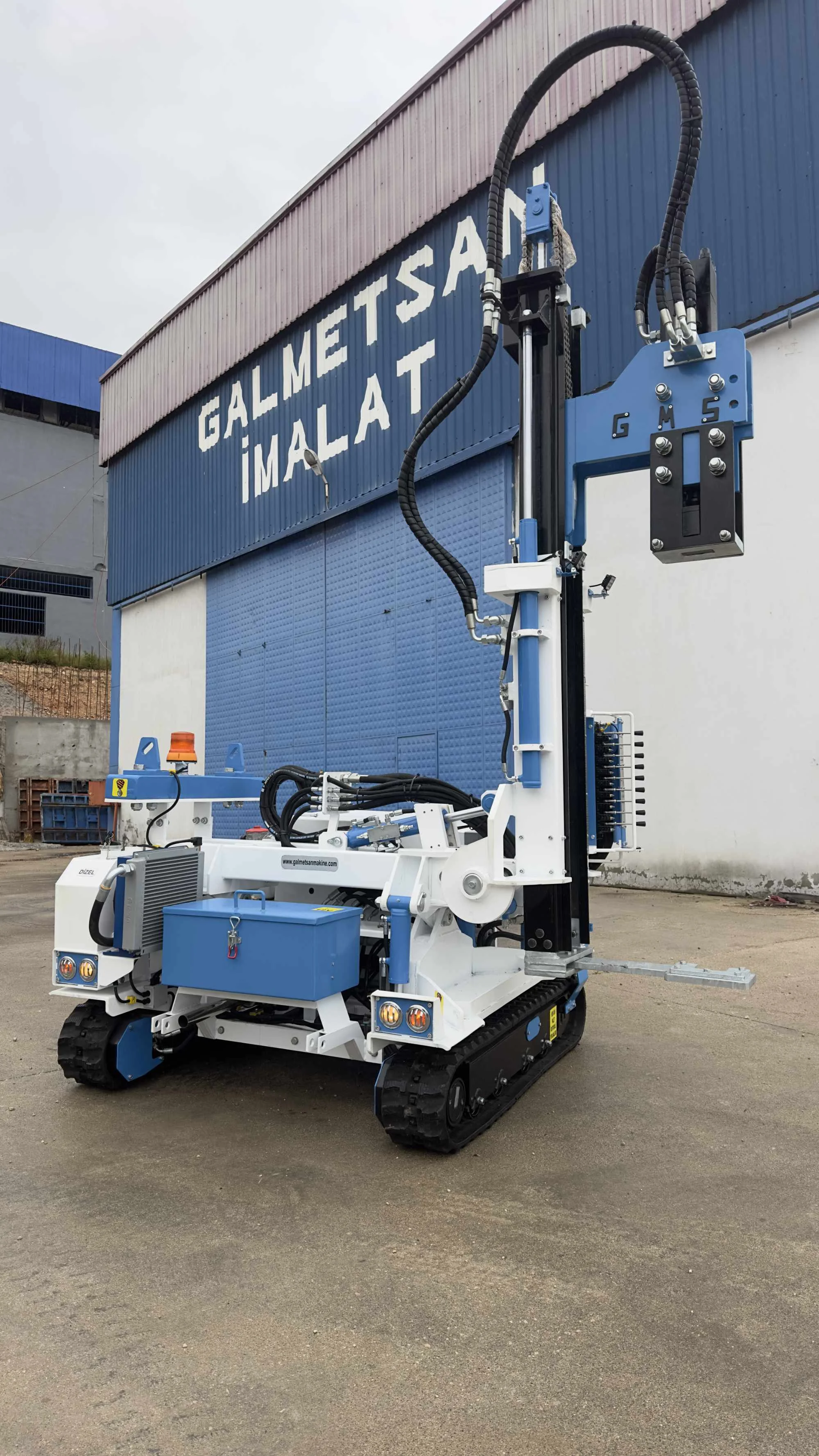
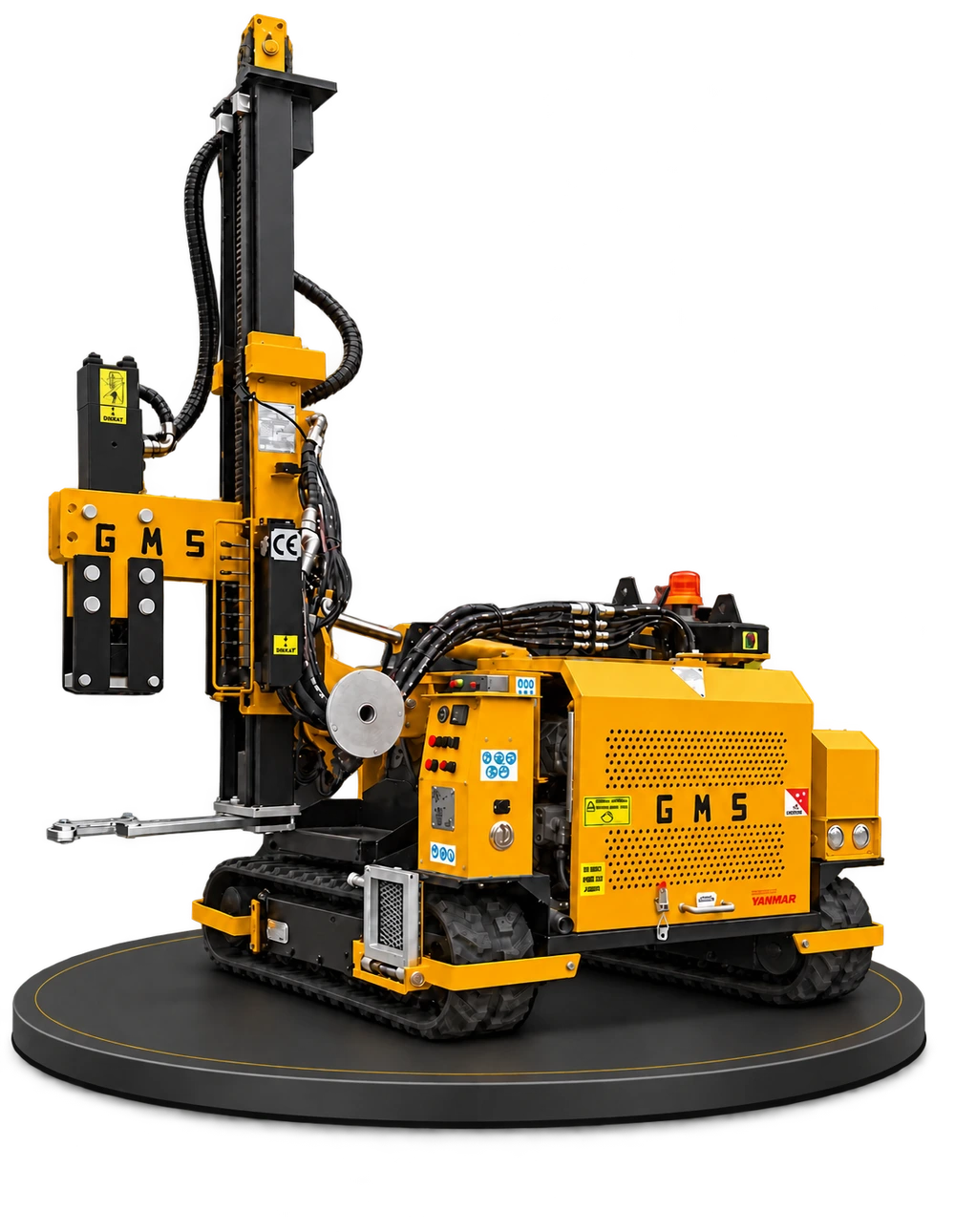
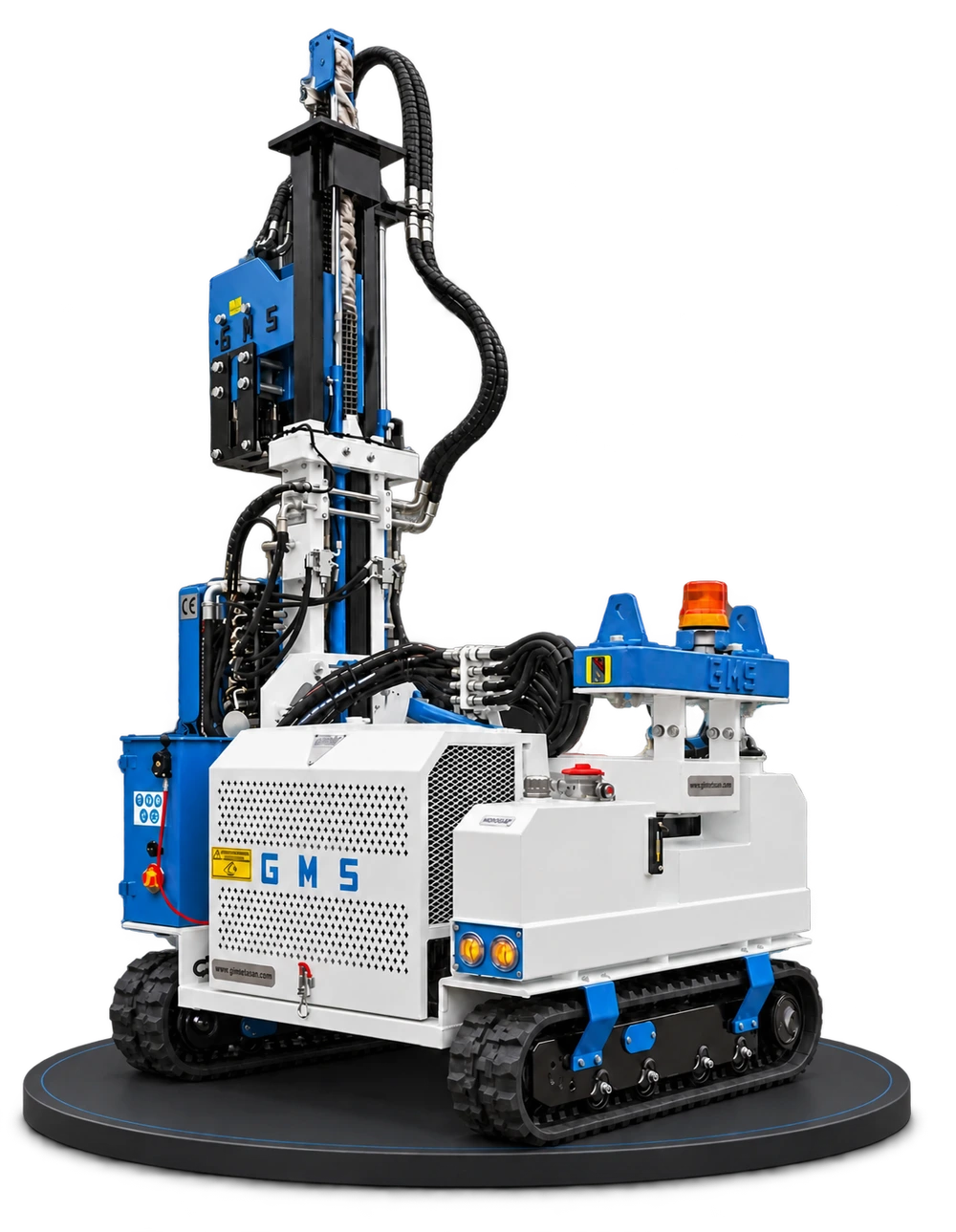
Select machinery by considering post length, pile driving head compatibility, working space and site access together. Even for a machine designed for this application, such as GMS GES, clarify equipment suitability for the project profile and operating conditions during the quotation stage.
Labeling delivered batches, distributing them by row and measuring initial installations help subsequent work proceed. Correct posts installed at the right points within approved tolerances allow more orderly superstructure assembly.
- Compare the profile, steel grade and coating specification with project drawings.
- Include ground zones and trial pile driving results in the installation plan.
- Record position, top elevation and alignment checks.
Post selection, ground design and pile driving method are parts of the same decision. Assess machine suitability through all three.
Sources and further reading
The scope of the standards is summarized here. In practice, the project specification, applicable editions of the standards and the assessment of the responsible engineering team take precedence.