Solar support post standards: what does each document cover?
The suitability of solar posts cannot be explained by one standard number. Structural design, ground, materials and corrosion protection are assessed using different documents, which must be defined together for the project.
First determine the design loads
Panel weight, wind and snow actions are inputs to structural calculations. The EN 1991 family includes sections such as EN 1991-1-3 for snow and EN 1991-1-4 for wind. Specify applicable editions and national annexes in the project design basis.
A general wind resistance statement without the site location and panel arrangement is insufficient for post selection. Ask which geometry, load combination and design assumptions apply to the values in the quotation.
Source: European Commission JRC — Eurocode 1: Actions on structures (opens in a new tab)
Steel sections and ground require separate checks
EN 1993 addresses steel structure design, while EN 1997 addresses geotechnical design. A profile being adequate as a steel member does not mean its behavior in the ground is adequate. The two assessments verify different parts of the same support system.
| Topic | Main reference | Information required in the project |
|---|---|---|
| Loads | EN 1991 family | Site conditions and load combinations |
| Steel structure | EN 1993 family | Section, connection and resistance calculations |
| Foundation and ground | EN 1997 family | Ground report and foundation verification |
Source: European Commission JRC — Eurocode 3: Design of steel structures (opens in a new tab) · European Commission JRC — Eurocode 7: Geotechnical design (opens in a new tab)
Match the galvanizing standard to the production method
ISO 1461:2022 covers hot dip galvanized coatings on fabricated iron and steel components. Sheet products coated on a continuous line are outside its scope; relevant product standards such as EN 10346 are considered for them. "Galvanized" alone is not a complete coating specification.
The quotation should explain the coating method, specified coating property, condition of cut edges and holes, and how acceptance documentation will be provided. Documents for batch galvanized parts and profiles made from coated sheet should not be interpreted on the same assumptions.
Source: ISO 1461:2022 — Hot dip galvanizing of fabricated steel products (opens in a new tab) · BSI — EN 10346: Continuously hot dip coated flat steel products (opens in a new tab)
Look for consistency in procurement documentation
Tracing the product to which each document applies is more useful than extending a standards list. Profile codes, drawing revisions, material batches and coating reports must match. The site assembly team must also have access to current drawings.
The design lead should verify the applicable TS or TS EN equivalents in Türkiye, current editions, national annexes and the client's specification. These references do not automatically constitute a regulatory or conformity declaration for every project.
- The calculation report and installation drawing use the same revision.
- Material and coating documents match the delivered batch.
- Installation tolerances and site acceptance methods are documented.
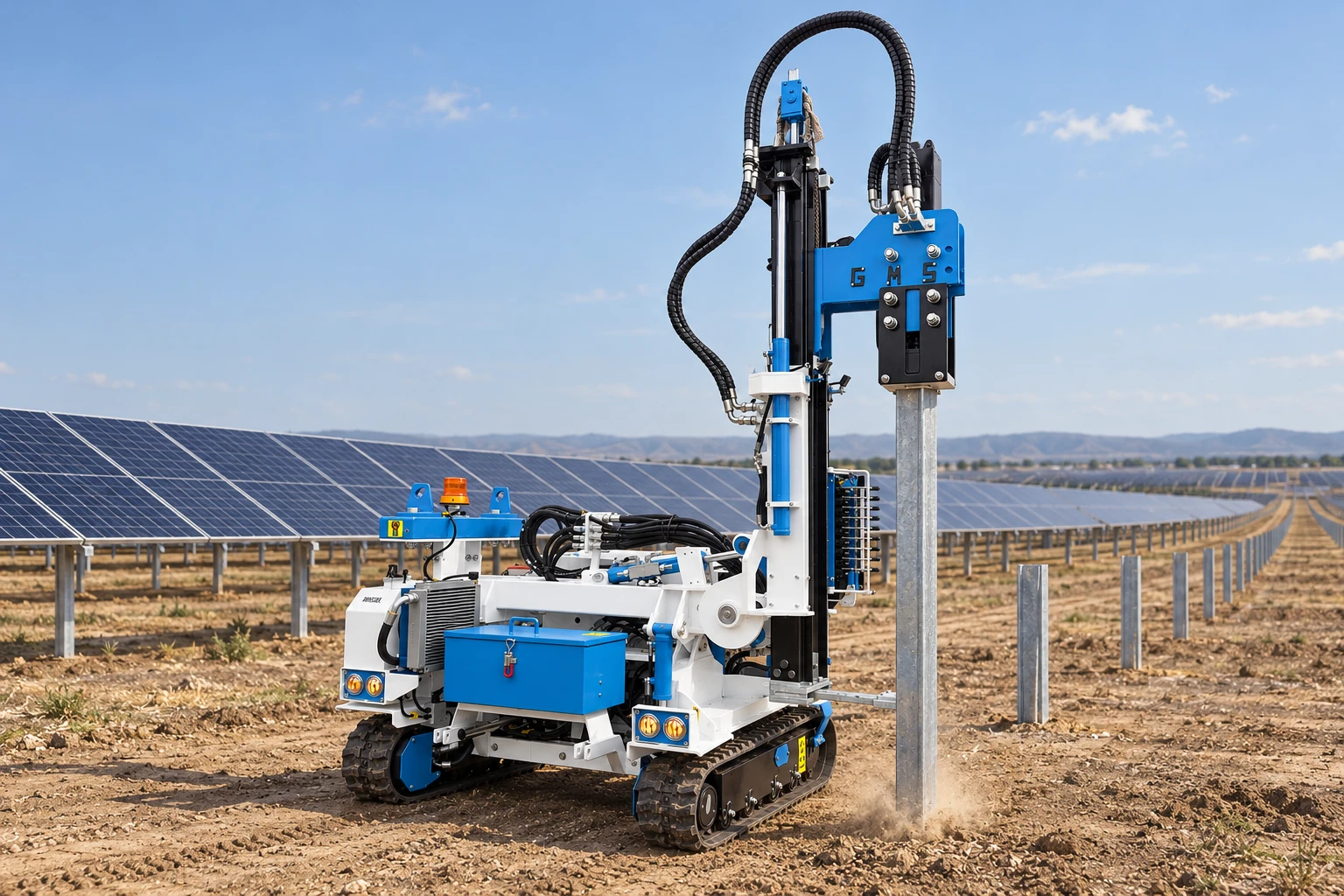
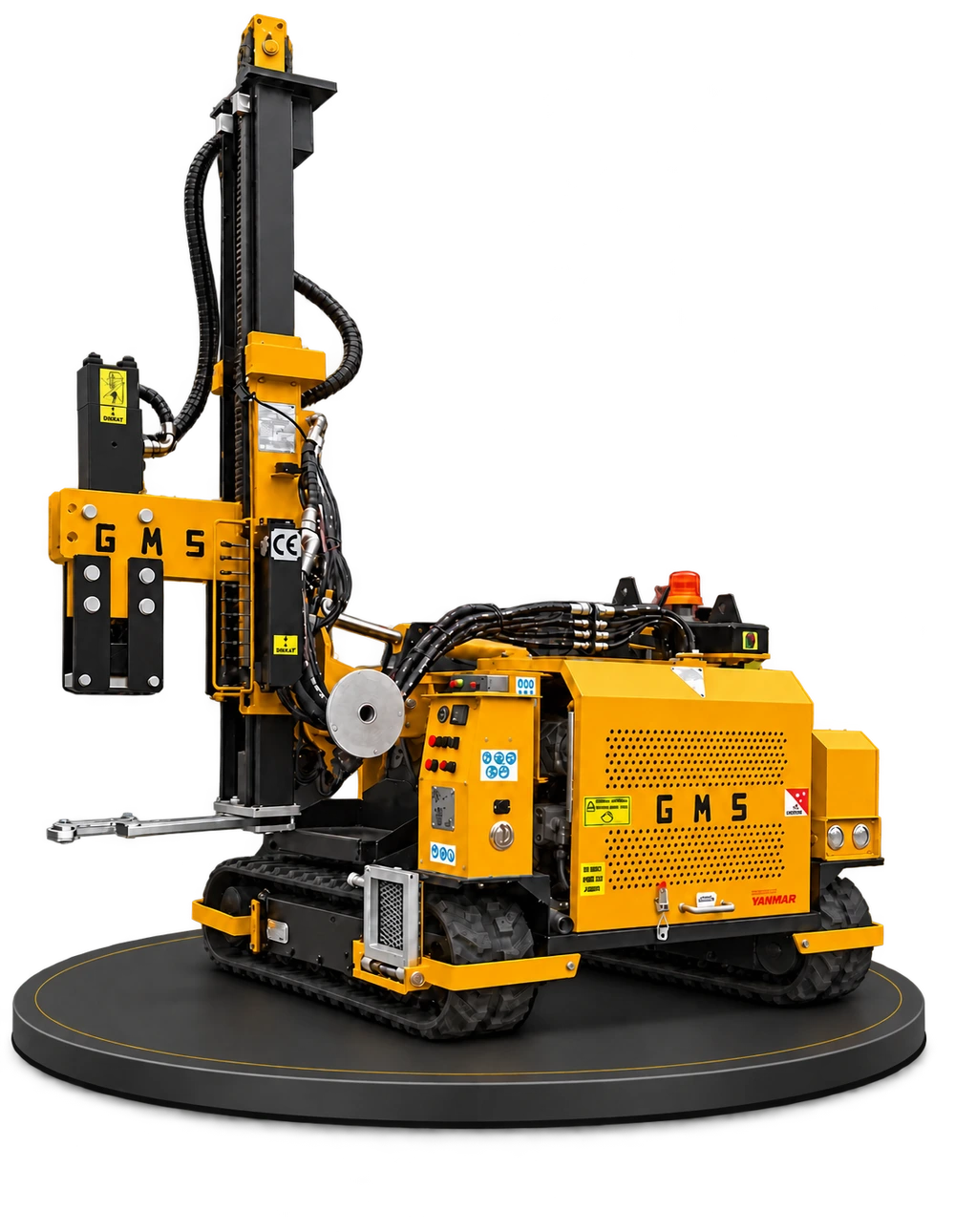
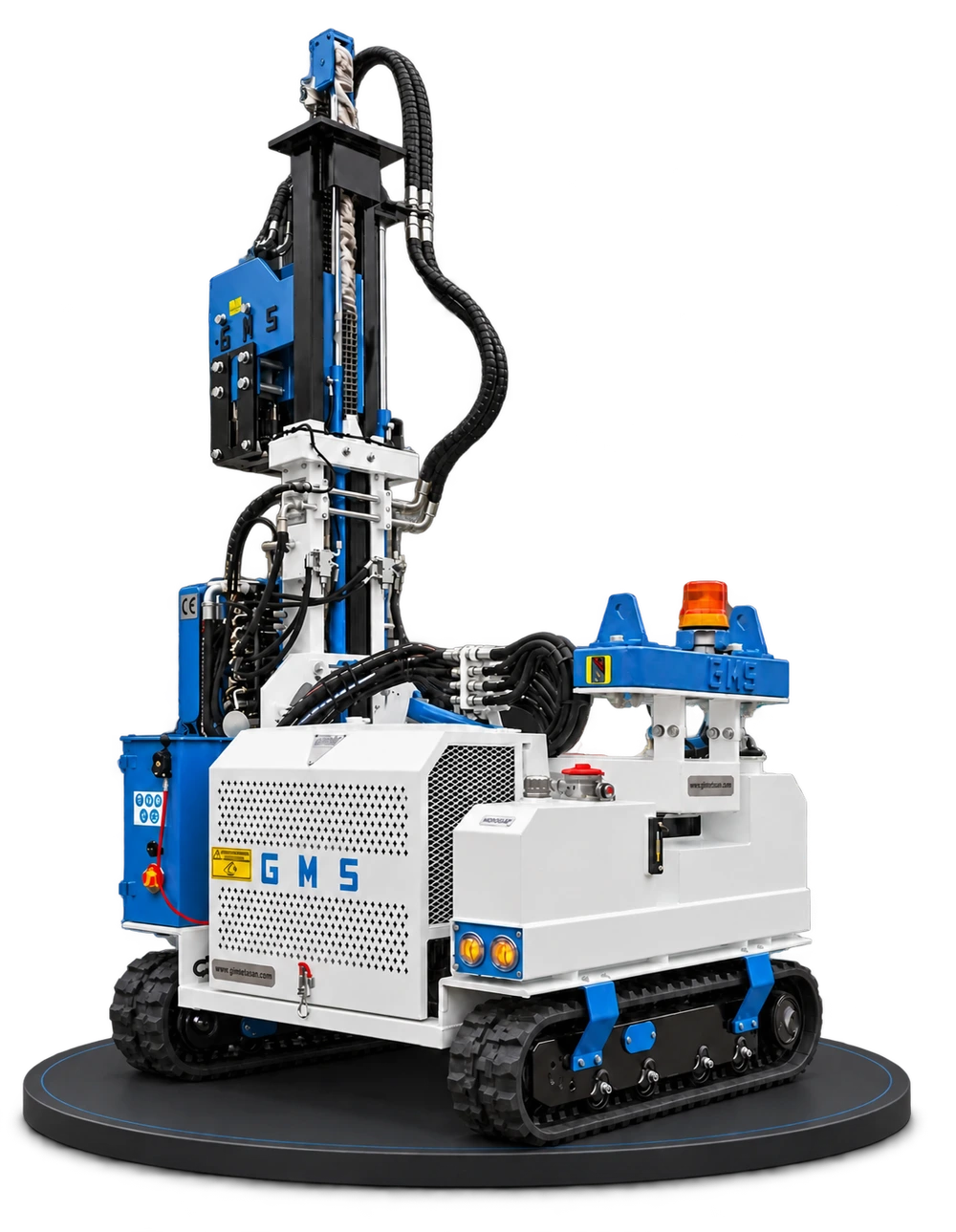
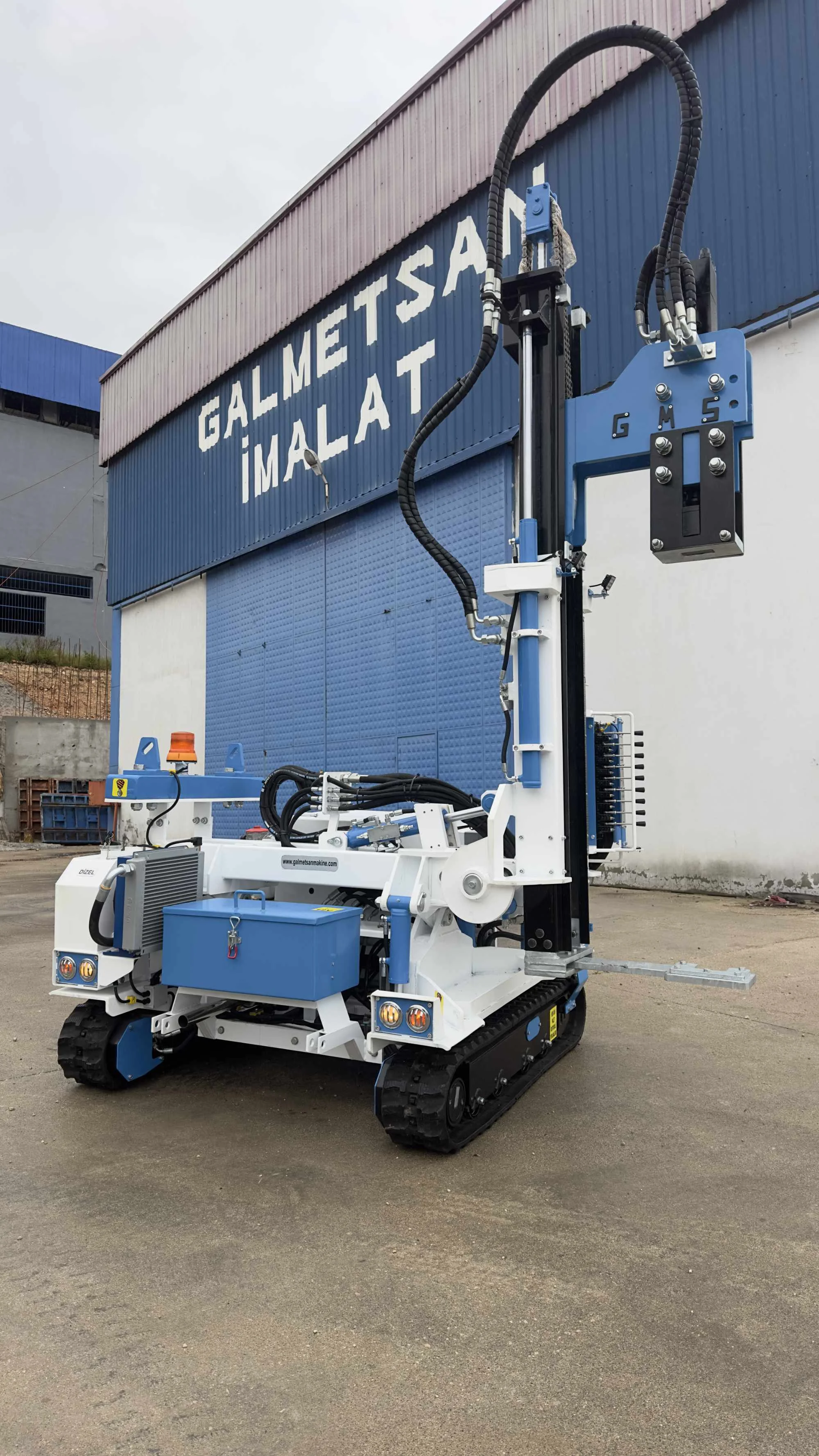
- Machine and pile driving head compatibility with the selected profile is confirmed.
Alongside "Which standard applies?", ask "Which property of the delivered product does this standard verify?"
Sources and further reading
- European Commission JRC — Eurocode 1: Actions on structures (opens in a new tab)
- European Commission JRC — Eurocode 3: Design of steel structures (opens in a new tab)
- European Commission JRC — Eurocode 7: Geotechnical design (opens in a new tab)
- ISO 1461:2022 — Hot dip galvanizing of fabricated steel products (opens in a new tab)
- BSI — EN 10346: Continuously hot dip coated flat steel products (opens in a new tab)
The scope of the standards is summarized here. In practice, the project specification, applicable editions of the standards and the assessment of the responsible engineering team take precedence.