Ground investigation, trial pile driving and pullout tests on solar sites
A post being easy to drive does not show that it provides the required load bearing behavior. Installability and behavior under load are separate questions; ground investigation and field tests answer them together.
One point may not represent the entire site
A large solar site may contain fill areas, former stream beds and natural variations in the ground. A test at one easily accessible point may not represent installation elsewhere. The first objective is to understand variation across the site.
Ground investigation provides the data foundation for geotechnical design. EN 1997 gives the general framework for this design field; the scope of investigation and testing must be prepared for the project conditions. Test point selection should also be based on this assessment.
Source: European Commission JRC — Eurocode 7: Geotechnical design (opens in a new tab)
What does trial pile driving show?
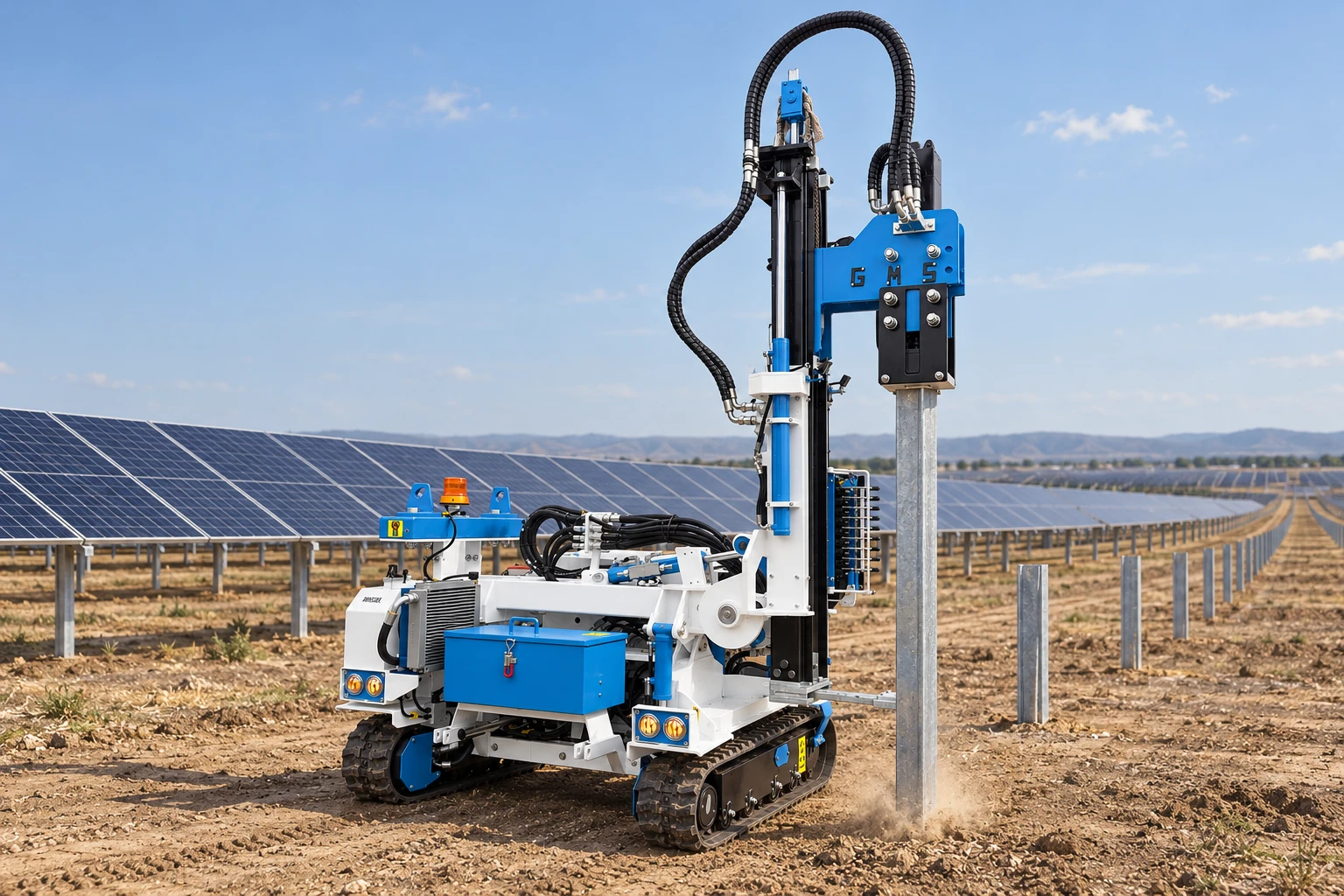
Trial pile driving allows observation of profile penetration, obstacles, head compatibility and possible deformation during installation. Record the steel post ID, equipment used, target and achieved lengths, and observations together.
Applying more blows is not always the solution for a post that unexpectedly stops advancing. The profile may be damaged or a different layer may have been encountered. Agree stopping criteria and alternative methods with the project team before starting work.
A pullout test monitors both load and movement
A static axial tensile test measures the load applied to a foundation element and the resulting displacement. ASTM D3689/D3689M defines methods for this type of test. The responsible engineer must adapt the loading arrangement, measurement system and acceptance approach to the project.
A pullout test result does not by itself verify lateral or compressive behavior. Other tests required by the design are determined separately. Interpreting test records also involves more than reading the highest load reached.
Source: ASTM D3689/D3689M-25 — Static axial tensile testing of foundation elements (opens in a new tab)
Share results with the installation team
Update site drawings if the profile, embedment length or installation method changes after testing. Differences between the tested post and production posts make direct application of the result more difficult. The design team decides whether changed conditions require a new assessment.
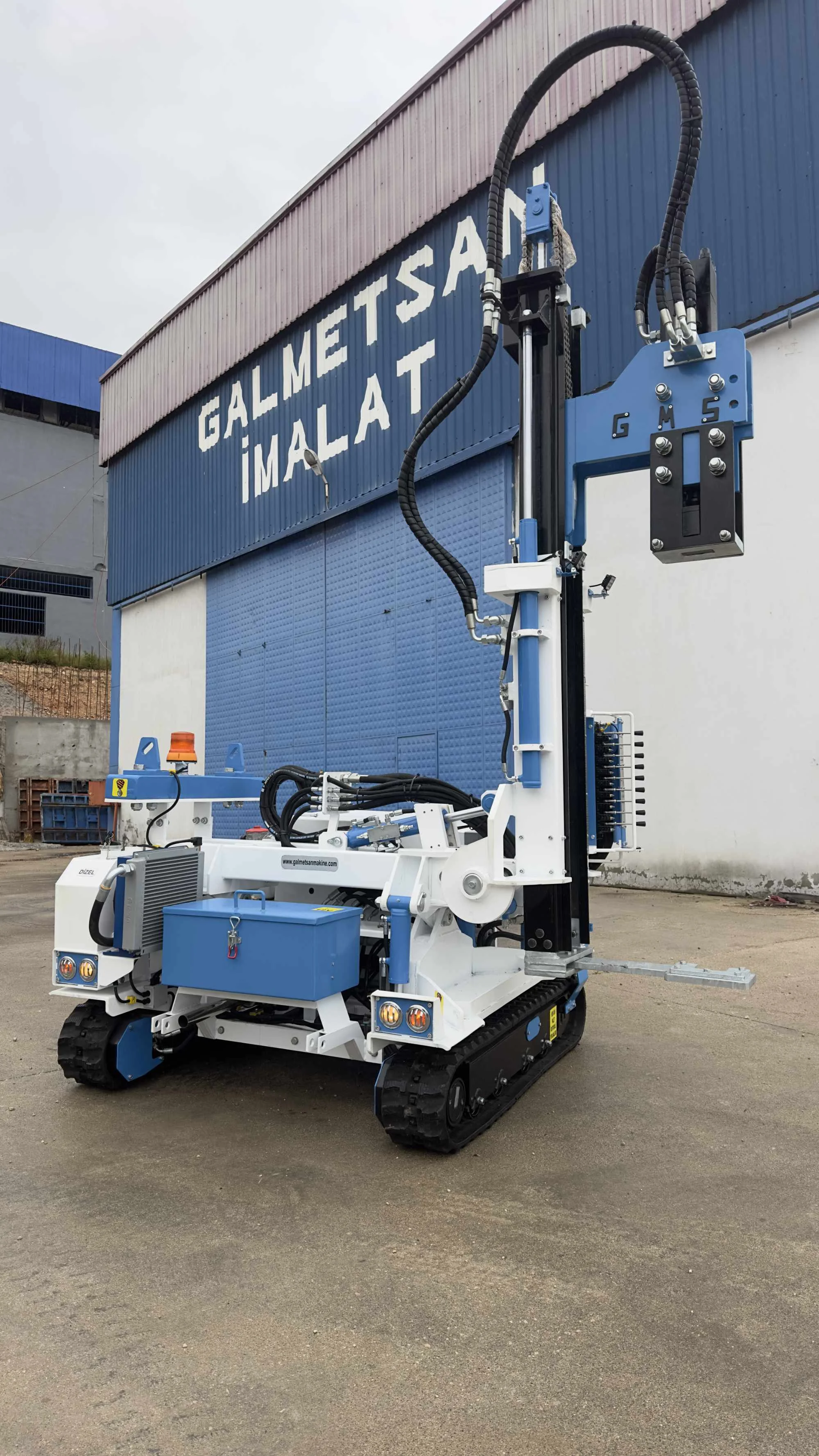
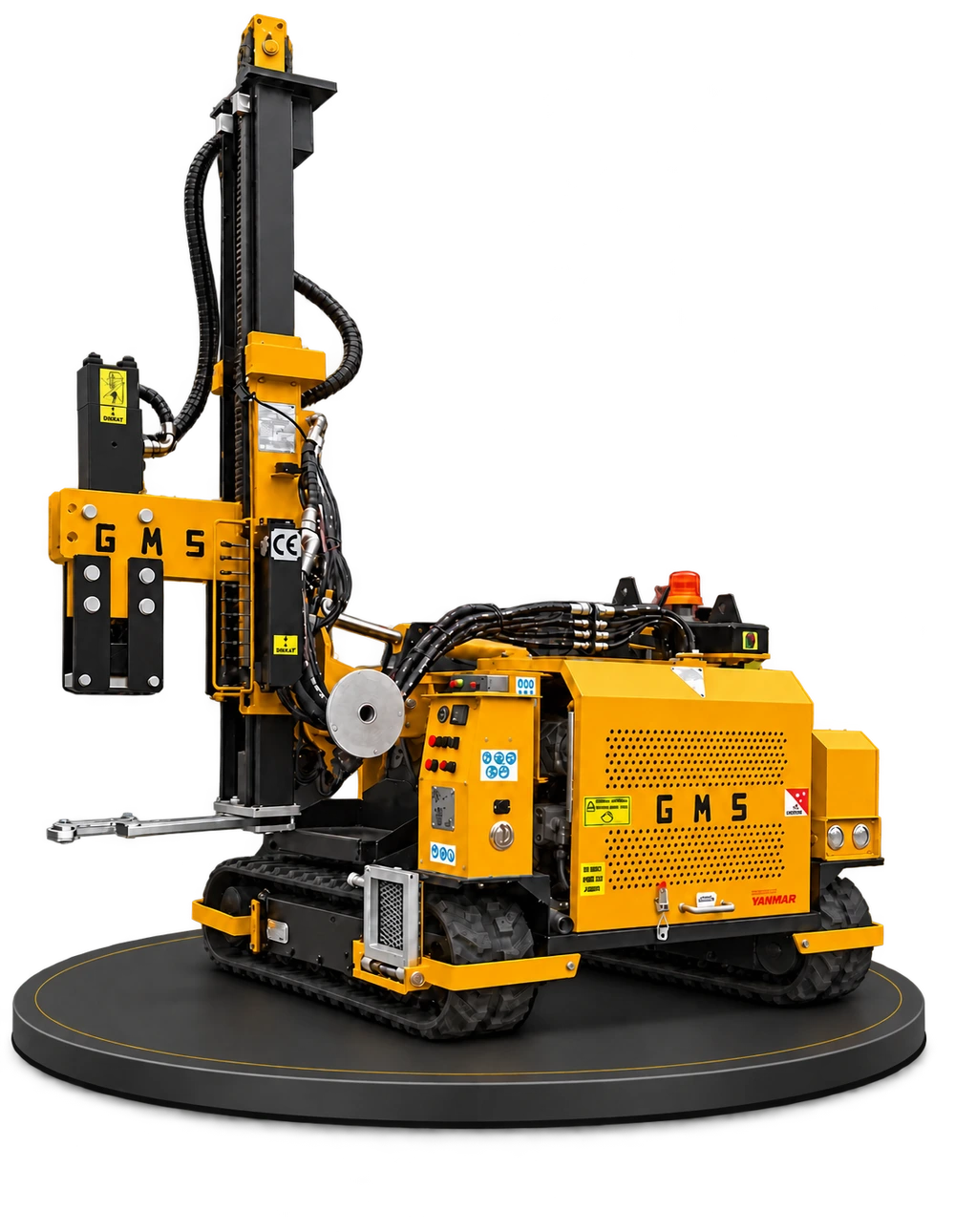
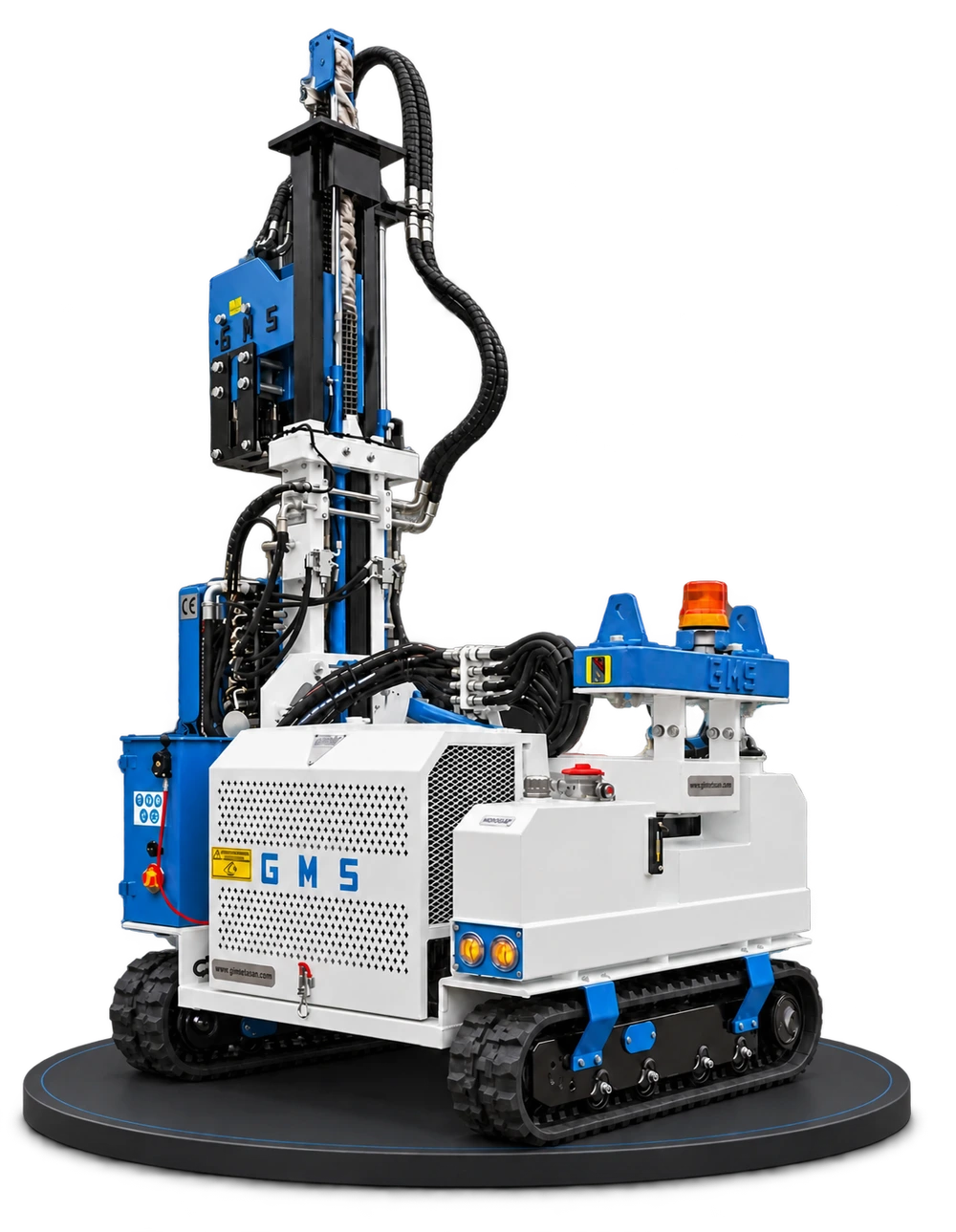
The GMS GES work plan should clearly specify which profile is installed in each area. Trial records provide a common reference for machine, material and surveying teams, so field corrections do not depend on verbal instructions alone.
- Point number and site coordinates.
- Profile and coating specification, installation method.
- Pile driving and test dates, with ground observations.
- Load, displacement and engineering assessment.
Trial pile driving examines installability, while load tests examine the behavior required for design. The result of one should not replace the other.
Sources and further reading
- European Commission JRC — Eurocode 7: Geotechnical design (opens in a new tab)
- ASTM D3689/D3689M-25 — Static axial tensile testing of foundation elements (opens in a new tab)
The scope of the standards is summarized here. In practice, the project specification, applicable editions of the standards and the assessment of the responsible engineering team take precedence.