Maintenance and operational continuity in pile driving machines
A machine must be ready to operate as well as present on site. Regular maintenance helps identify causes of unexpected downtime early and supports more predictable planning.
Build the maintenance plan from the correct manual
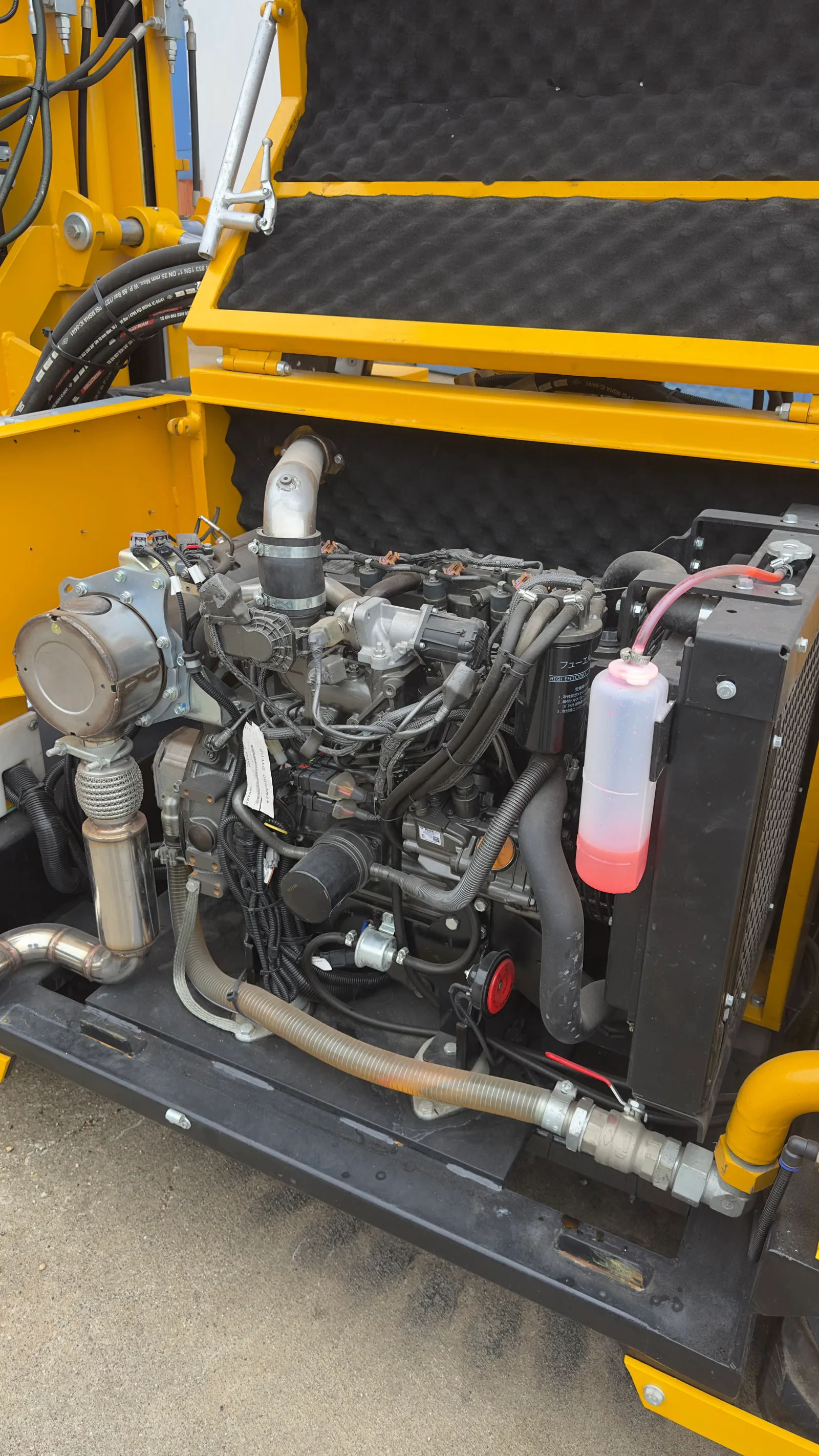
YANMAR highlights the importance of daily checks and periodic maintenance for product safety and performance. Filters and consumables belong in this plan; the applicable product manual defines the methods and intervals.
The engine maintenance schedule is not the maintenance schedule for the entire machine. Follow the machine manufacturer's instructions for hydraulics, pile driving systems, tracks and auxiliary equipment as well. Do not directly copy intervals specified for another engine or equipment.
Source: YANMAR — Daily checks and periodic maintenance (opens in a new tab)
Turn observations into consistent records
Performing manufacturer specified checks at the start of a shift helps reveal changes from previous operation. Record visible leaks, loose parts, damaged hoses and unexpected noises. Operator observations provide the first information for the service team.
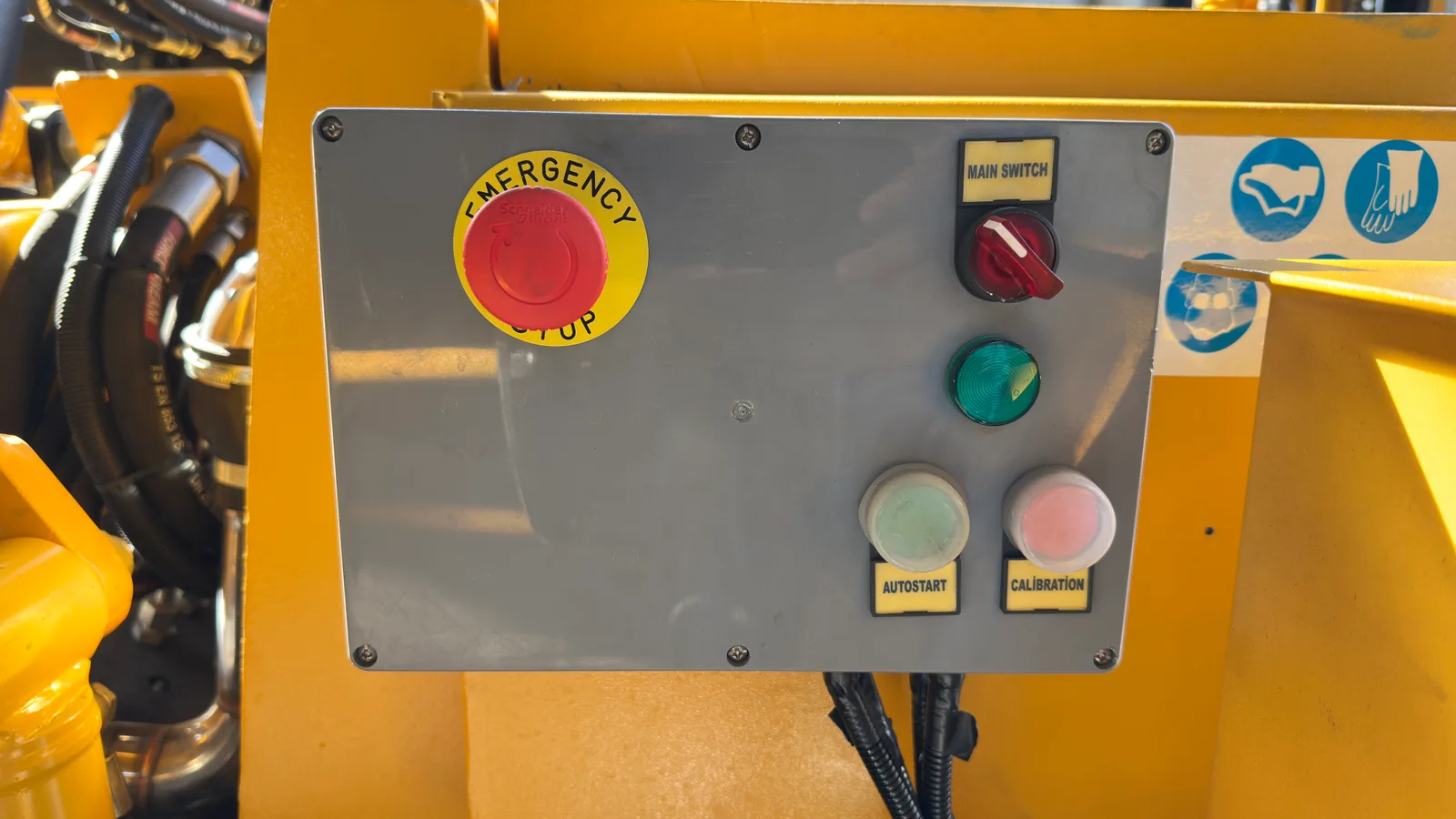
Follow the manual's safe shutdown and energy isolation steps for inspections and maintenance. Do not improvise interventions on pressurized hydraulic systems or use hand contact to search for leaks. Production targets should not justify continued operation with faulty equipment.
Monitor the pile driving equipment and travel system
The condition of the pile driving head and profile contact surfaces can affect installation quality. If wear or deformation is found, assess usability against the manufacturer's inspection criteria. Continuing with an unsuitable component can affect both the equipment and the post.
Track and undercarriage inspections also relate to site movement planning. Follow manufacturer instructions for cleaning, tension checks and other maintenance. Use the correct manual instead of assuming one numerical setting applies to every model and configuration.
Include maintenance in the work schedule
Scheduling maintenance can reduce the time an entire team waits when a service need arises. Operating hour records help plan upcoming maintenance and prepare the correct consumables. Discuss service scope and spare parts supply at the start of the project.
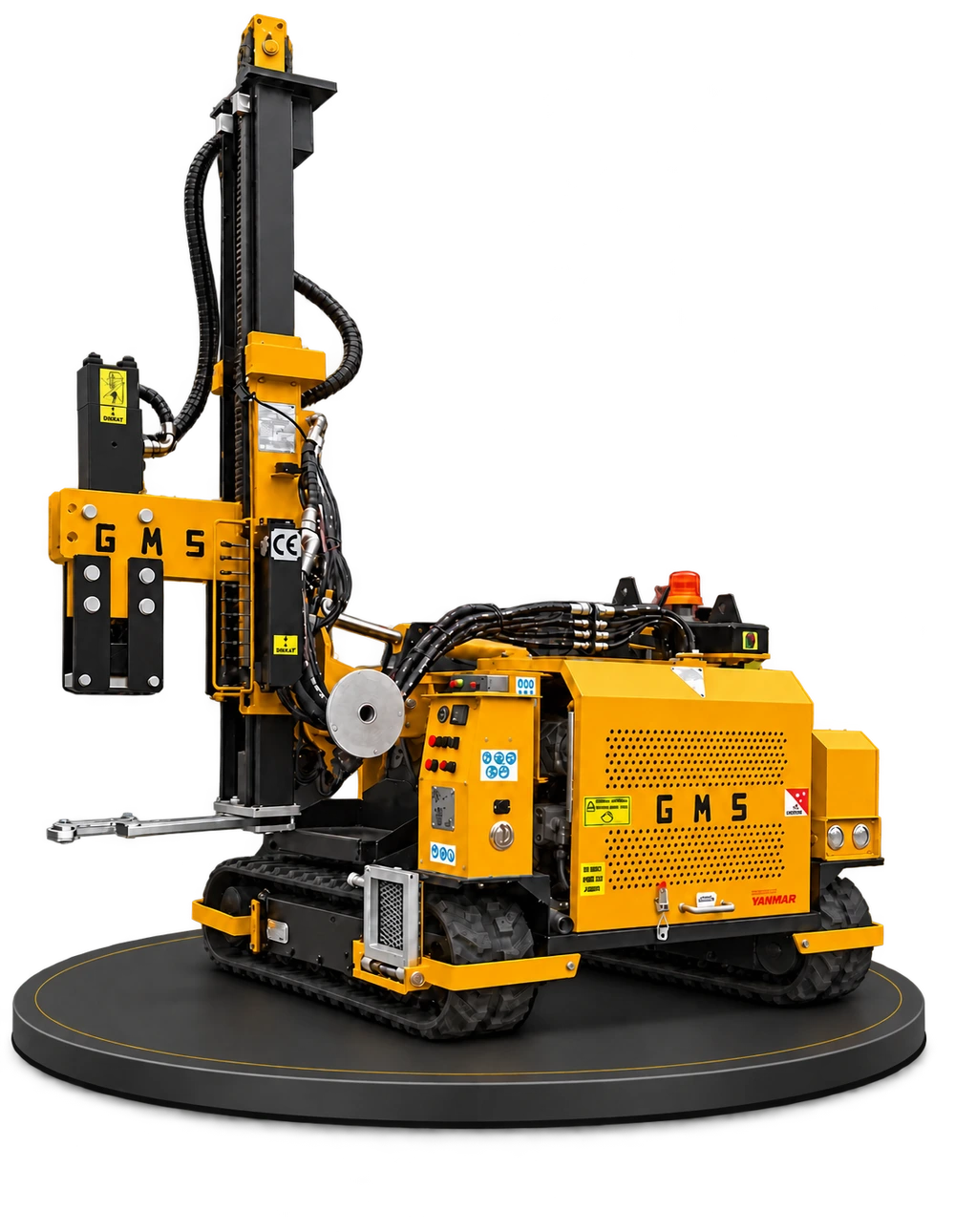
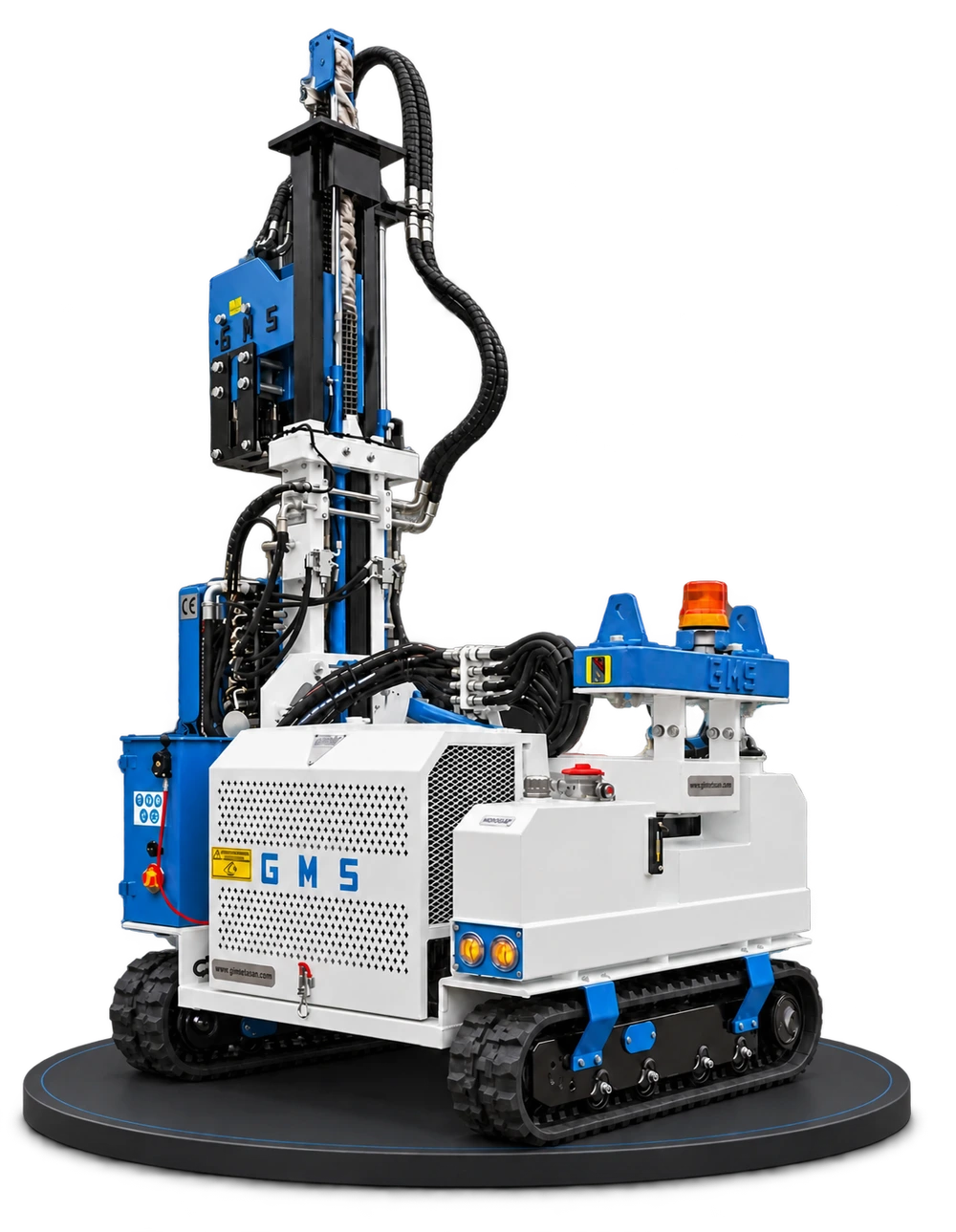
For GMS GES and GMS4000, records including the model, serial number and equipment configuration simplify service communication. Assessment is more effective when the conditions of the fault and previous interventions are known.
- Record operating hours and inspection dates.
- Clearly describe the observed change and affected component.
- Track planned and completed maintenance separately.
- Complete return to service checks after maintenance.
Maintenance should be a planned part of operational continuity. The correct manual, consistent records and timely service work together.
Sources and further reading
The scope of the standards is summarized here. In practice, the project specification, applicable editions of the standards and the assessment of the responsible engineering team take precedence.